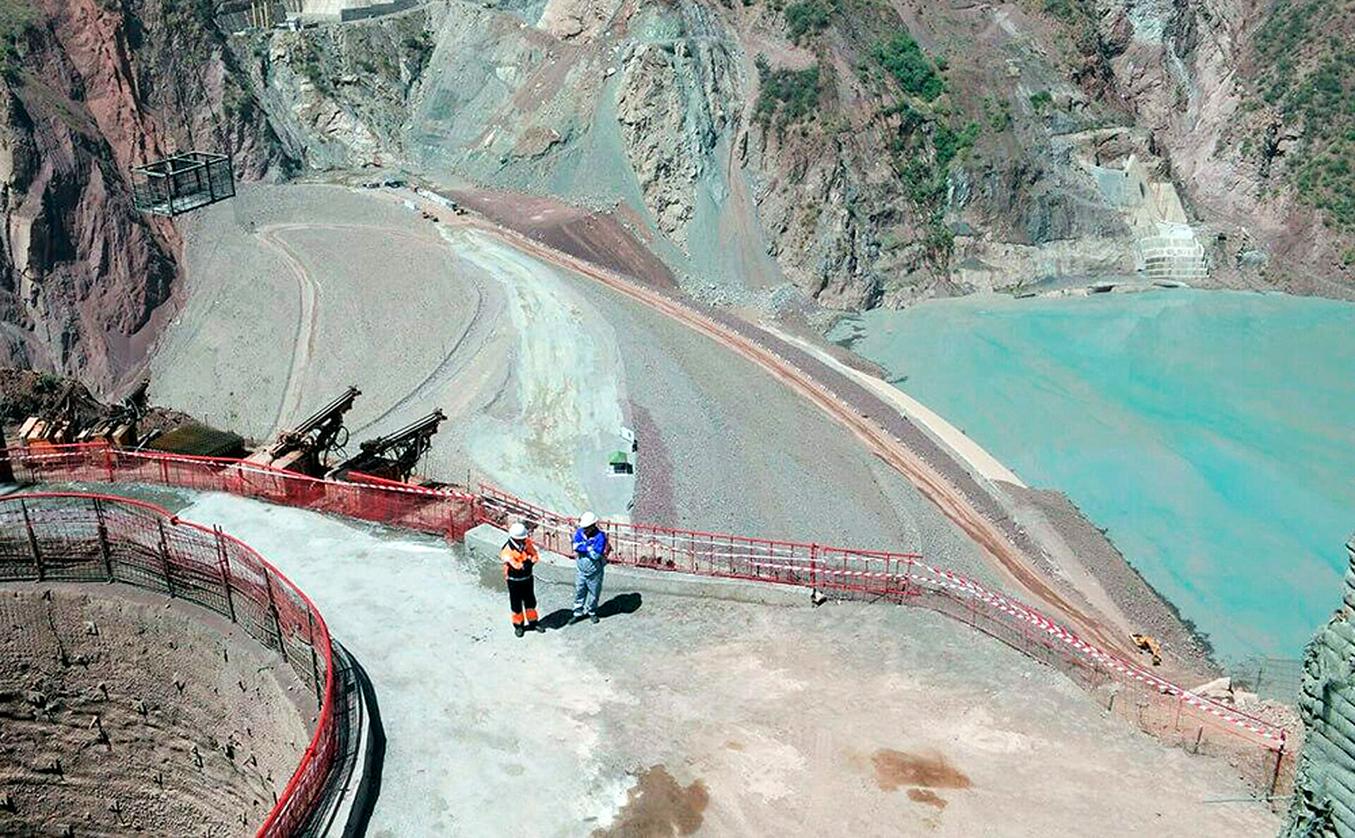
Operation of the Rogun reservoir in Tajikistan will prolong the degradation of the unique ecosystems of the lower Amu Darya for 60 to 100 years, according to the international environmental coalition Rivers without Boundaries. The conclusion is presented in its report Eyes Wide Shut: Ignoring the Transboundary and Cumulative Impacts of the Rogun Dam.
Experts concluded that the transboundary impact assessment for the giant hydropower project does not fully meet World Bank environmental and social standards and contains fundamental shortcomings. The report stresses that the assessment relies on outdated 2014 data and static scenarios that do not account for the dynamics of climate change or the real hydrological situation in the Amu Darya basin.
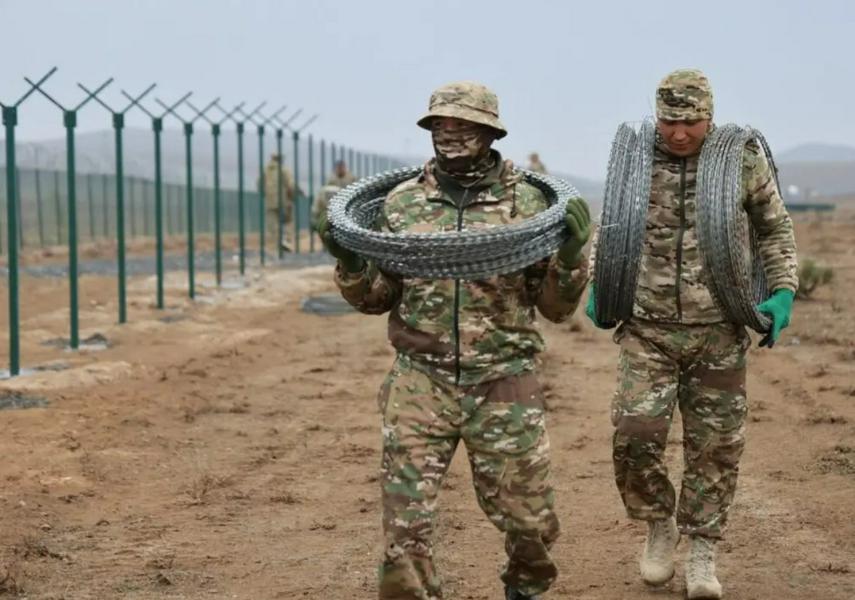
Environmentalists say the Rogun project developers ignored key external factors, including construction of the Qosh-Tepa Canal in Afghanistan, which is expected to significantly affect the region’s water balance.
According to the experts, operation of the Rogun reservoir will entrench a flow regime harmful to downstream ecosystems, including the Tigrovaya Balka nature reserve, a UNESCO World Heritage site.
“The authors of the impact assessment chose to act with their eyes wide shut, excluding the most acute and inconvenient scenarios from their analysis,” said the coalition’s international coordinator Yevgeny Simonov (designated a foreign agent in Russia). He added that claims of neutrality in the impact of what is set to be the world’s tallest dam contradict the very logic of cumulative impact assessment.
“Without the introduction of strict obligations on environmental releases and artificial floods, the project effectively prolongs the degradation of unique natural complexes for an entire century, which directly violates the environmental principles of international financial institutions,” Simonov said. The report pays particular attention to risks for biodiversity and the wetlands of the Amu Darya delta protected under the Ramsar Convention. The Rogun assessment, it says, lacks clear mechanisms to guarantee water delivery to these critical areas during dry periods.
Coalition experts also point to serious gaps in consultations with the public and stakeholders in downstream countries, casting doubt on the legitimacy of conclusions about the project’s social acceptability.
“We are seeing a troubling trend of ignoring the interests of downstream populations and ecosystems,” said regional coordinator Aleksandr Kolotov. According to him, consultations were not conducted in affected areas of Uzbekistan and Turkmenistan, while risks linked to seasonal flow redistribution and the commissioning of the Qosh-Tepa Canal were left out of consideration.
“This creates a dangerous precedent in which the region’s largest infrastructure project is being advanced without a solid foundation of transboundary cooperation or consideration of neighbors’ views,” Kolotov said.
To address the situation, Rivers without Boundaries recommends carrying out a full Strategic Environmental Assessment at the scale of the entire Amu Darya basin. The coalition calls for legally binding flow management plans that include climate adaptation and biodiversity conservation measures.
Experts warn that without a fundamental revision of impact assessment approaches and the introduction of mitigation and compensation mechanisms, the Rogun project risks becoming a source of long-term environmental and social tension in Central Asia.
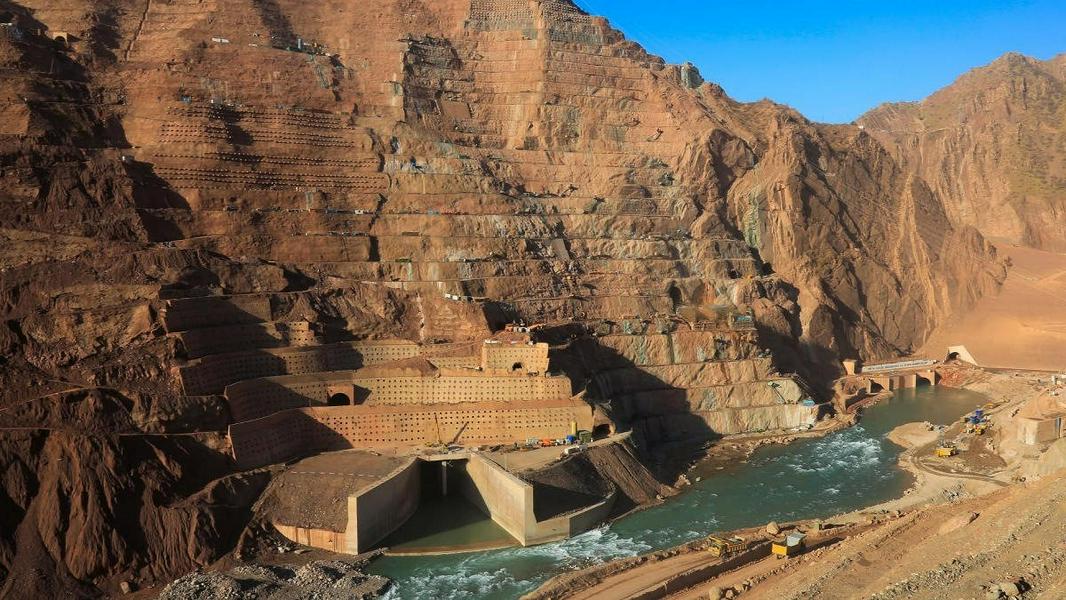
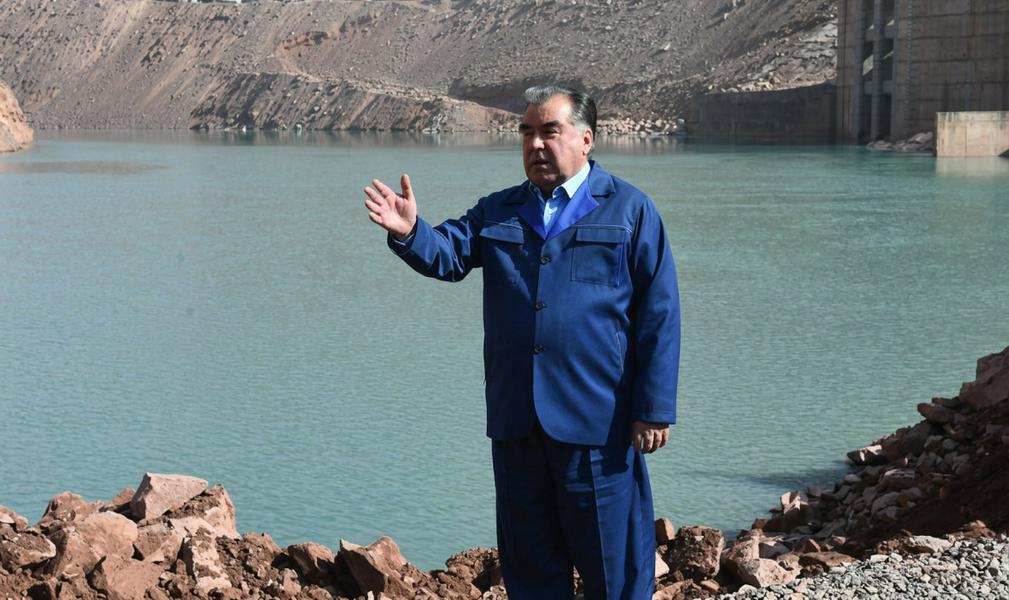
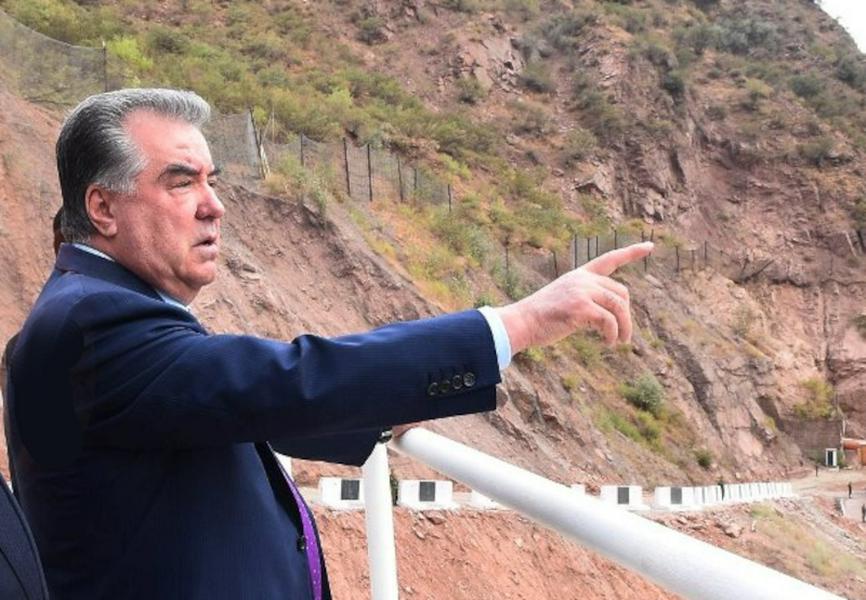
The Rogun hydropower plant is Tajikistan’s largest energy project. Its design capacity is 3,600 megawatts, with six generating units expected to produce more than 13.1 billion kilowatt-hours annually. Two units with a combined capacity of 1,200 megawatts are currently in operation. Completion of all construction stages is planned by the end of 2031 and requires about $6.29 billion.
Between 2008 and 2024, Tajikistan allocated 42.5 billion somoni (about $4 billion) to the project. In December 2024, the World Bank approved a $350 million grant for the first phase of the completion program. The Saudi Fund for Development, the Asian Infrastructure Investment Bank, and several other institutions are also involved.