 Photo via spot.uz
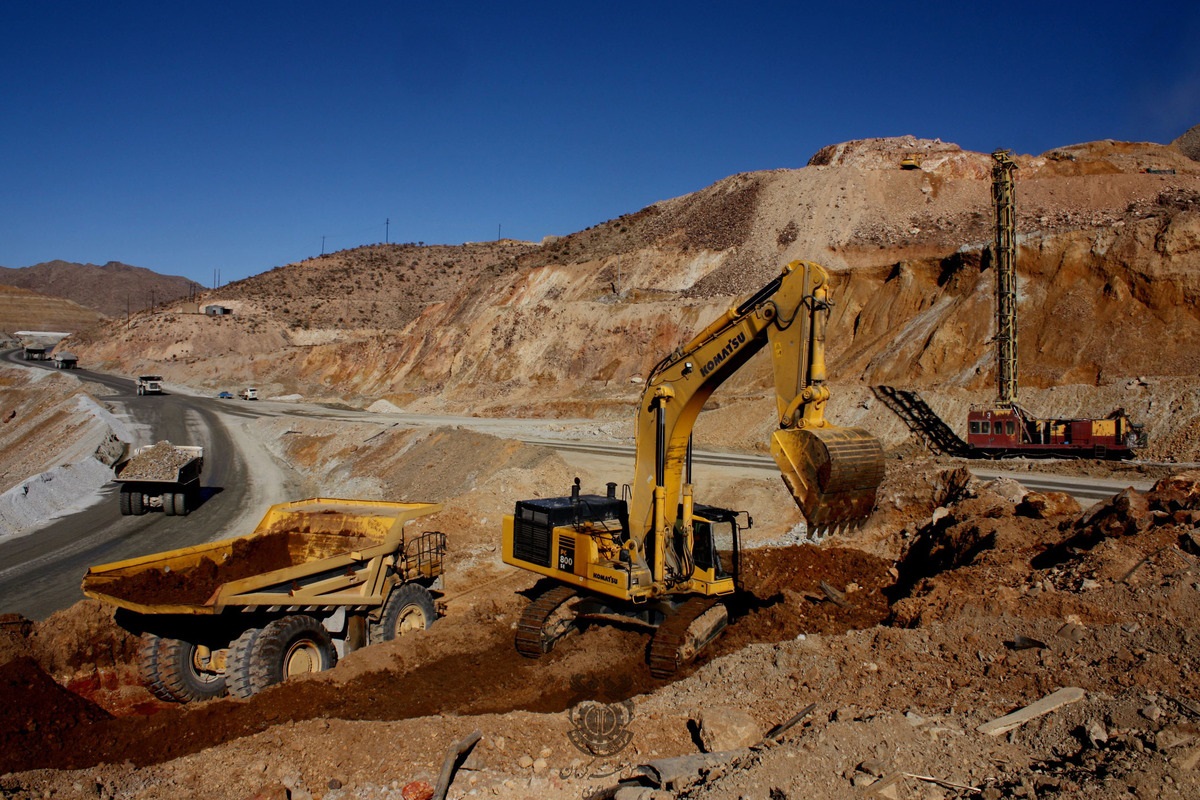
Uzbek authorities plan to increase domestic critical minerals production to at least $2.7 billion by 2030, expanding the list of mined elements to 16. The strategy was presented to President Shavkat Mirziyoyev during a mining industry review on November 5, according to the presidential press service.
The Uzbek Technological Metals Combine (UTMC) is pursuing particularly ambitious targets. Having mastered the production of five critical minerals—tungsten, molybdenum, selenium, tellurium, and rhenium—the enterprise plans to add 11 more products to its line. However, Mirziyoyev’s press service specified only ten: nickel, cobalt, graphite, antimony, tin, manganese, platinum, vanadium, mercury, and copper.
The president underscored the importance of integrating scientific breakthroughs into the sector and discovering additional mineral reserves.
Special attention was given to deep tungsten processing projects. Officials aim to attract $1.1 billion in investment for these ventures, which would boost production value to nearly $2.2 billion by 2030.
Discussions highlighted that global demand for critical minerals and metals is accelerating rapidly. While demand for traditional base metals grows by an average of 1% annually, the market for critical minerals is expanding at a 10% annual clip.
To seize this opportunity, Uzbekistan plans to fast-track the expansion of domestic enterprises, particularly UTMC. Priority will be placed on building an integrated value chain spanning exploration, extraction, beneficiation, deep processing, and finished goods manufacturing.
Plant leadership informed the president that 12 investment projects are scheduled to launch by year-end, broadening localized output and ramping up production of high-purity selenium and tellurium.
The meeting also addressed modernization plans for state-owned Navoiuran. Enterprise executives noted that uranium demand has jumped 10% to 20% in recent years and is projected to rise by 28% through 2030. To meet market needs, the company must expand extraction by developing new deposits and upgrading operational efficiency.
To achieve these goals, Navoiuran plans to expand geological exploration and drilling, upgrade infrastructure, and commission additional sorption units this year.
Officials also emphasized the vital role of chemical reagents. Navoiuran expects increased deliveries of technical sulfur, sulfuric acid, and nitric acid from domestic suppliers. Simultaneously, the president directed the industry to deploy alternative technologies to replace up to 40% of sulfuric acid reagents by 2030.
Navoi’s uranium output is slated to reach 7,500 metric tons this year. By 2030, authorities plan to double production to 15,000 tons while lifting proven uranium reserves to 200,000 tons.