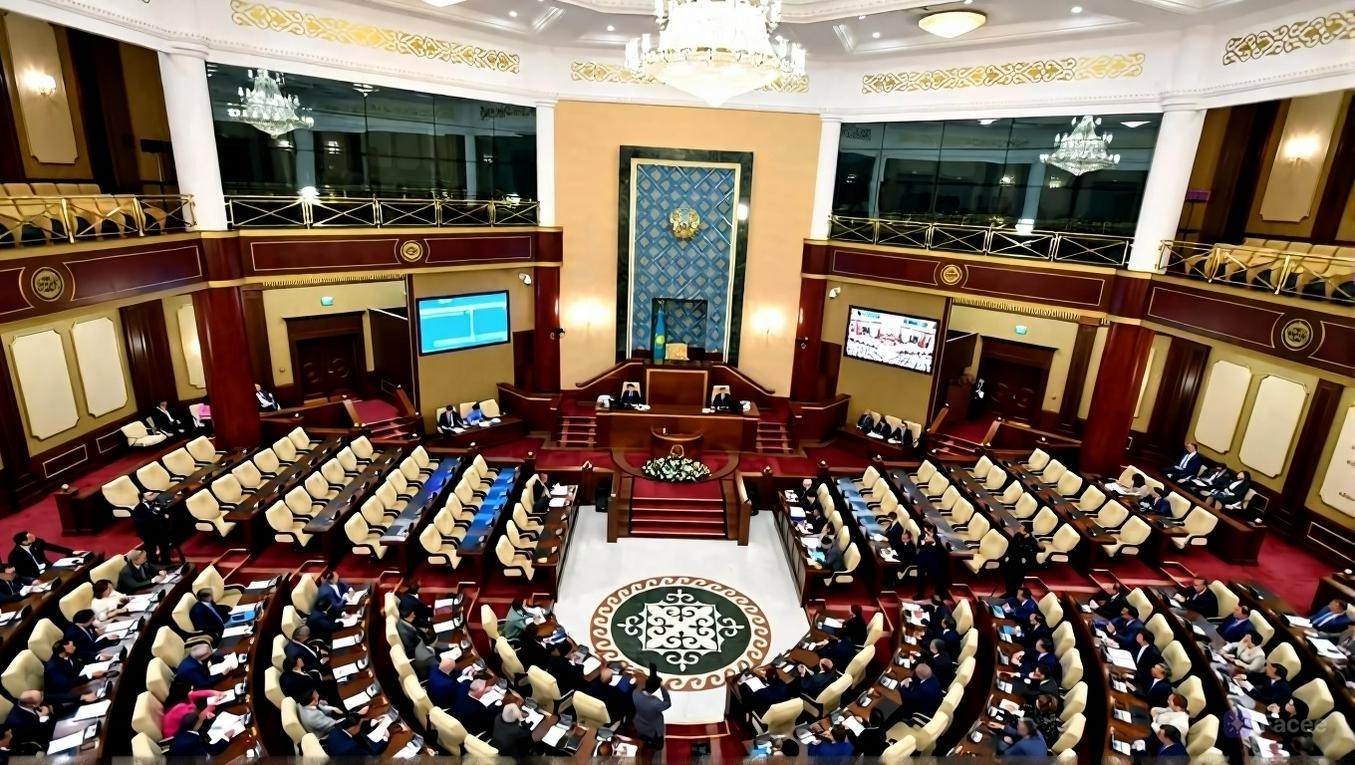
On the eve of Kazakhstan’s parliamentary elections, the Norwegian Helsinki Committee has expressed concern about the state of democracy, political competition, and the separation of powers in the country. The organization emphasized that the new Constitution has strengthened the president’s authority and weakened the role of parliament, while the ability of civil society to observe the elections remains limited. Even so, the Committee intends to continue supporting Kazakhstan, believing that the country’s democratic development is important both for its international relations and for its investment attractiveness. Below, Fergana publishes an article by Berit Lindeman, Secretary General of the Norwegian Helsinki Committee, dedicated to the upcoming parliamentary campaign.
On August 23, voters in the largest of the five Central Asian states and the region’s economic powerhouse, Kazakhstan, will elect a new parliament.
The elections are the first to be held after the country’s new constitution entered into force on July 1 of this year. The Office of Democratic Institutions and Human Rights (ODIHR) of the OSCE has never deemed a presidential or parliamentary election in Kazakhstan to be fully compliant with OSCE standards for democratic elections. Following the presidential elections in November 2022, the ODIHR found that the process lacked genuine competitiveness and political pluralism. After the parliamentary elections the following year, the organization concluded that significant changes were still needed to secure real political competition and democratic elections.
Well into a year characterized by escalating pressure on journalists, human rights defenders and civil society in Kazakhstan, there’s not much reason to expect this year’s election to differ substantially from previous ones. This summer authorities have opened criminal proceedings against several independent journalists, while others have been arrested. At the same time, independent civil society finds itself increasingly unable to freely monitor the elections. Several independent organizations have announced that they cannot or will not observe the elections following the introduction of new rules this year barring organizations that receive foreign funding from engaging in any election-related activities. In practice this impacts organizations that would normally play a crucial role in controlling the election process.
However, this year’s elections will differ in one important way. They are the first to be held under the new Constitution, and the first elections to the parliament in its new form. Until now, Kazakhstan has had a bicameral parliament consisting of the lower house, the Majilis, and the upper house, the Senate. Under the new Constitution, the bicameral system is replaced by a single chamber with 145 representatives. Unlike under the previous system, all members will be elected through party lists of registered parties. In other words, there is no longer any room for independent candidates. And while there are political differences among the seven registered parties, none of them can be considered a genuine opposition party. Rather, they are broadly loyal to president Tokayev.
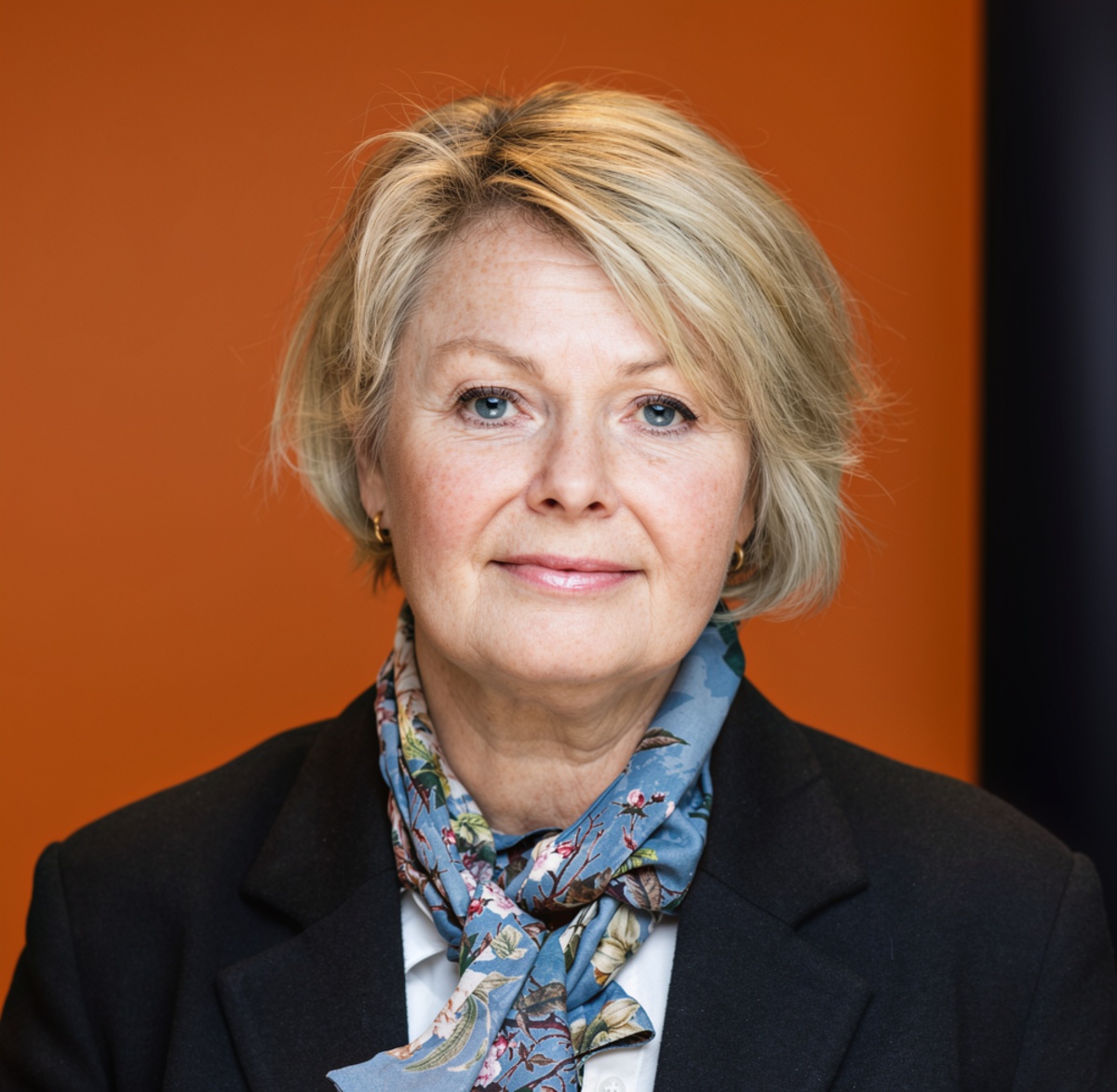 Berit Lindeman, Secretary General of the Norwegian Helsinki Committee
The new parliament will also be given a new name, Kurultai. Kurultai is not a new word in a Central Asian context, however. The name is drawn from the political traditions of the steppe and traces its roots back to the nomadic societies that existed there even before the Kazakh Khanate was established in fifteenth century.
Historically, a kurultai was a genuine arena of power and a forum where important and consequential decisions were made. Leaders and rulers needed to draw their legitimacy from the kurultai. By giving its parliament this name today, Kazakhstan is signaling more than just a connection to history and tradition. The word carries connotations of authority and heavy political weight, and one might imagine a kurultai that will play a crucial role in keeping the executive power in check.
But there is a stark contrast between today’s political reality and the historical kurultai. Kazakhstan’s new kurultai will be a much weaker legislature than the previous parliament, as the Norwegian Helsinki Committee wrote in March, ahead of the referendum on the new Constitution. The new Constitution grants the president powers to appoint and dismiss the heads of a number of Kazakhstan’s key oversight and state institutions. This includes not only the heads of the Constitutional Court and Supreme Court, the central bank, the prosecutor’s office, security service, election commission and Supreme Audit Chamber, but also the chair of the Supreme Judicial Council and the Human Rights Commissioner.
The new Constitution also weakens the position of the new parliament in several other ways. For instance, the president will nominate the speaker of parliament, although the candidate must be approved by the Kurultai.
However, if parliament repeatedly refuses to approve the president’s nominee, the president may dissolve parliament. In general, the president has broad powers to dissolve the Kurultai, including if parliament repeatedly refuses to approve the president’s nominees for any offices requiring the parliament’s consent.
Furthermore, the president receives greater control over the government and several key state institutions. He will appoint and dismiss the vice president with the Kurultai’s consent, nominate the prime minister after consultations with the parliamentary party factions, and he will appoint the ministers of foreign affairs, defense and interior. He will also play a central role in appointing judges to the Constitutional Court, members of the election commission and members of the Supreme Audit Chamber. Parliamentary approval is required for several of these appointments, but as already mentioned, the president can dissolve parliament and call new elections if parliament repeatedly rejects his nominees.
The historical Kurultai was an arena of power where the authority of rulers was both anchored and legitimized, and where that authority could also be challenged. The modern Kurultai, by contrast, will be given a much more subordinate position vis-à-vis the president.
Although these developments give serious cause for concern about democracy and the principles of separation of powers, the Norwegian Helsinki Committee will continue to support Kazakhstan in its efforts to meet its international obligations and advance its goals in the areas of democracy and human rights. A more democratic country governed by the rule of law would also find itself in a stronger position as Kazakhstan navigates its relationships with Russia, China and the West. Kazakhstan is already an important international actor, but democratic development has become all the more important now following Russia’s full-scale invasion of Ukraine. Moscow is seeking support for its war effort, including through recruitment, among its closest partners in Central Asia.
A democratic Kazakhstan would make the country more attractive for international investments. In the long term, this is the surest path to a more stable and independent Kazakhstan.
-
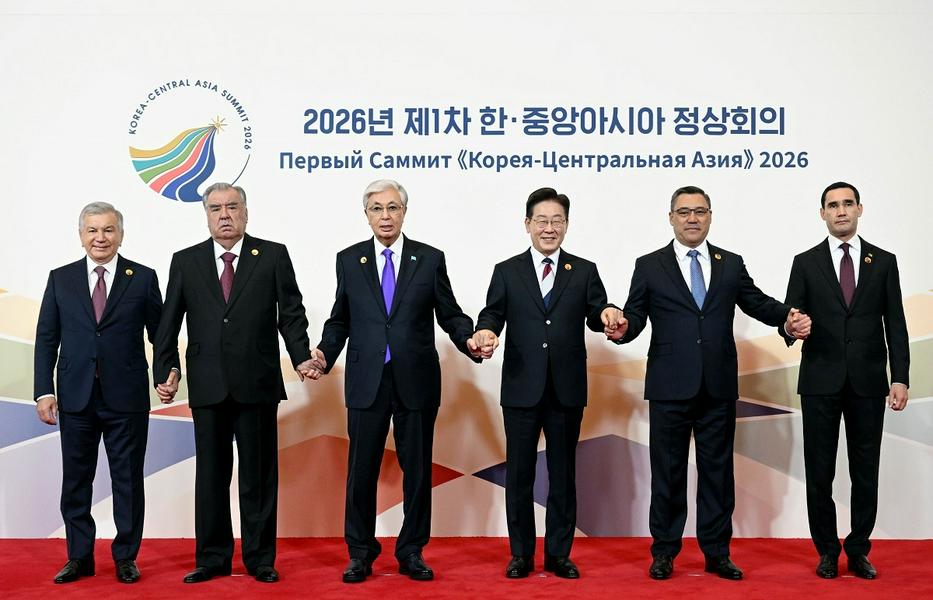 17 September17.09Summit of Morning FreshnessCritical minerals, artificial intelligence — what else was discussed at the “Central Asia–Korea” meeting
 -
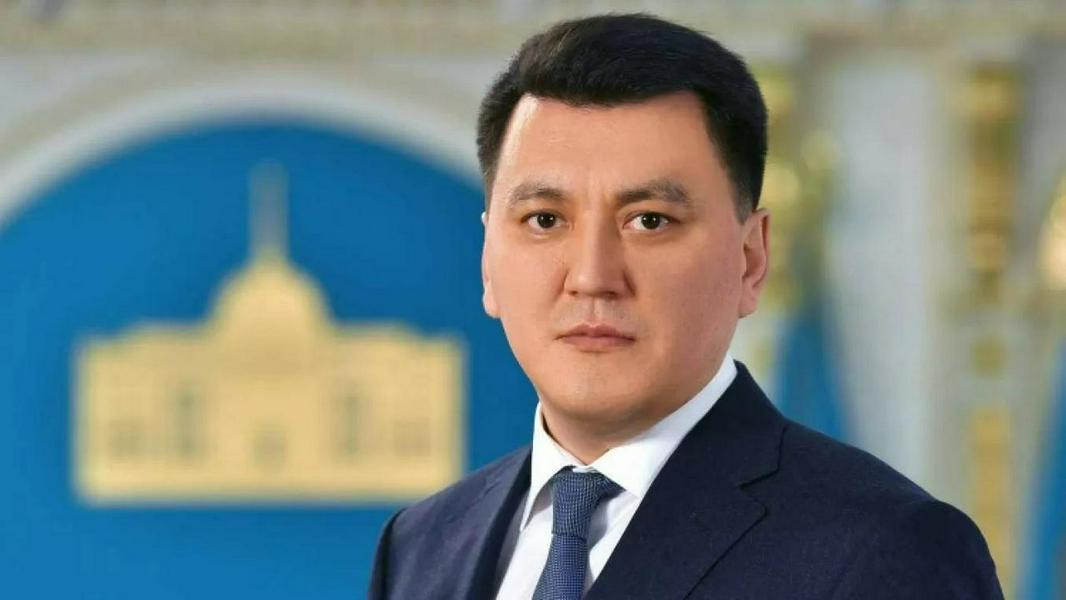 02 September02.09Who Are You, Mr. Vice President?From Analyst to Kazakhstan's Second-in-Command: How Erlan Karin's Views Have Evolved
 -
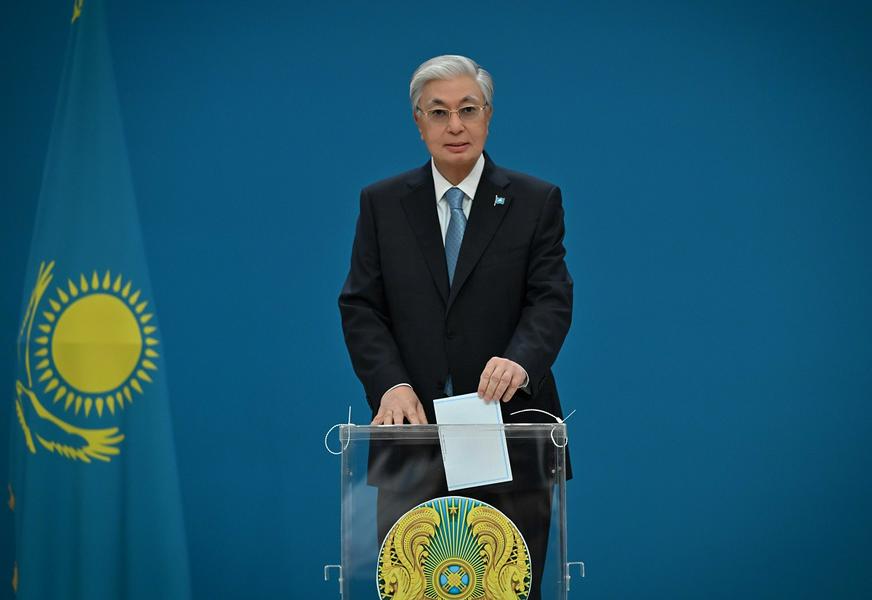 30 August30.08The Real Intrigue Comes LaterObservers and experts assess Kazakhstan’s first elections to the new Kurultai parliament
 -
 18 July18.07From Survivor to ActivistDina Tansari explains how Kazakhstan’s NeMolchi movement fights violence, police failures and state pressure
 -
 16 April16.04Father Iakov vs. the PatriarchateThe story of the persecution of a Kazakh priest who entered into open conflict with the Russian Orthodox Church
 -
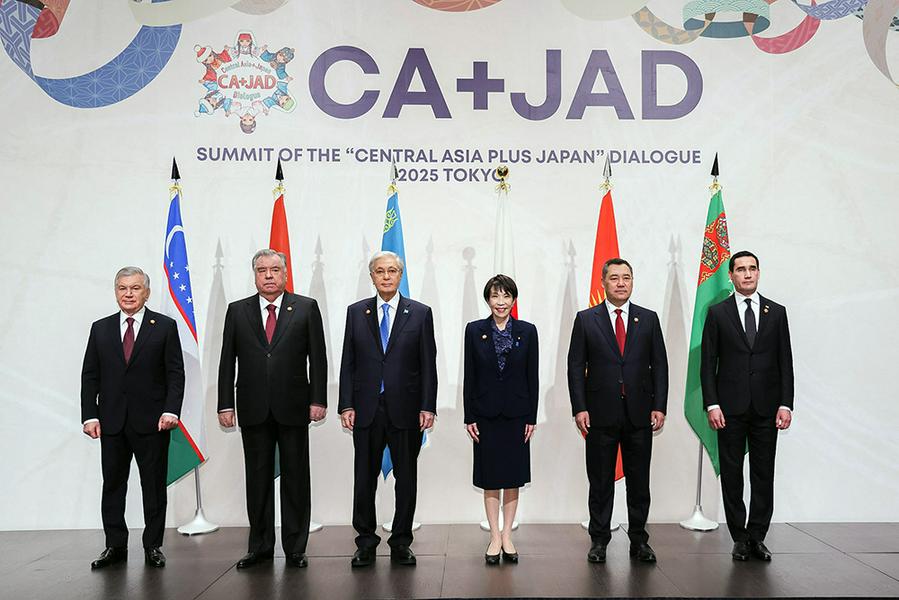 23 December23.12PhotoTokyo DriveJapan to invest about $20 billion in projects across Central Asia over five years
-
Central Asia’s Rapprochement with Japan Comes with Hidden Pitfalls
-
Why Dealing with China Is Harder Than It Seems at First Glance
-
Valeria Ibraeva on the First Contemporary Art Museum in Central Asia, Opened in Almaty
-
How poor planning and a fixation on faulty test results undid months of hard work