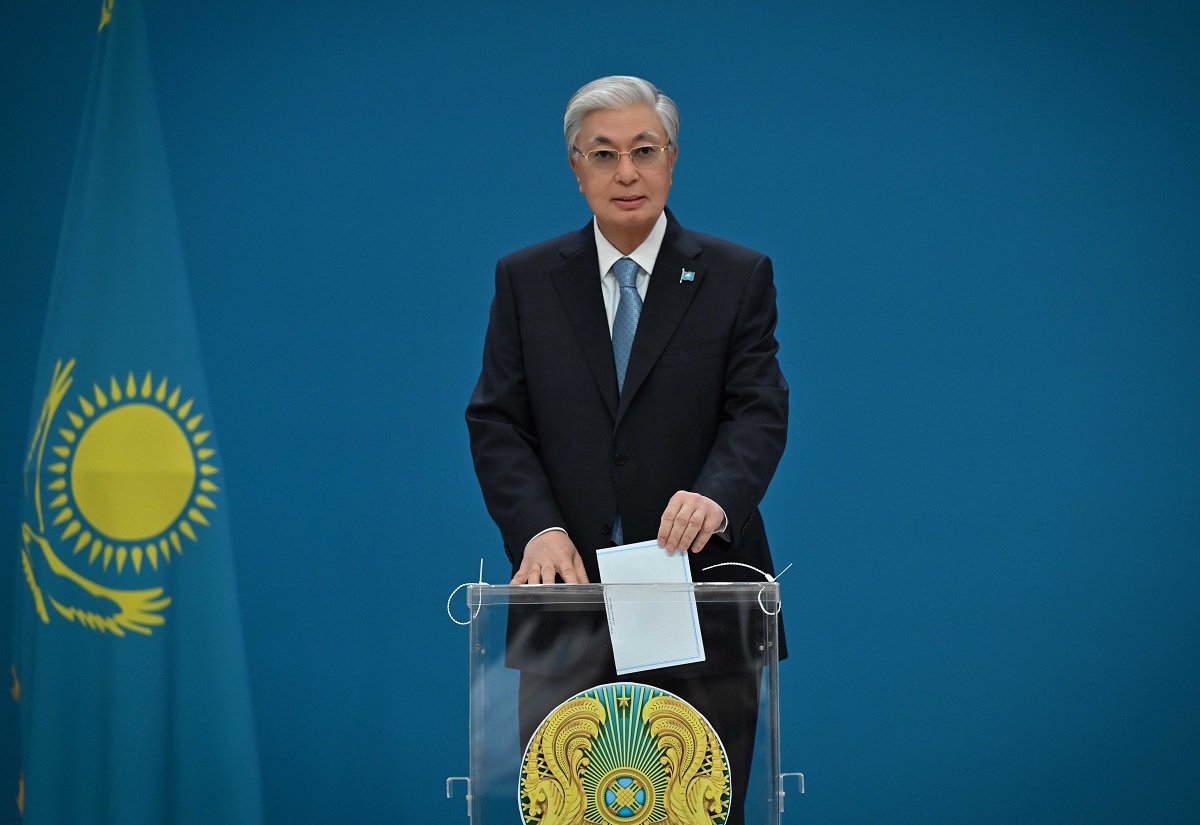
Kazakhstan held its first elections to the Kurultai, the country’s new unicameral parliament, on August 23. According to preliminary results from the Central Election Commission, the Adilet (Justice) party, established last spring as a political support base for President Kassym-Jomart Tokayev, won 71.17% of the vote. Turnout was reported at 74.19%.
The official results have been welcomed by Kazakhstan’s leadership and observers from several post-Soviet and Asian organizations. But the OSCE Office for Democratic Institutions and Human Rights (ODIHR) offered a sharply different assessment, raising questions about political pluralism, the electoral framework and the vote count.
Tokayev said the election had been organized at an “unprecedentedly high level” and praised the Central Election Commission for introducing new technologies, including artificial intelligence. Leaders of Azerbaijan, Uzbekistan, Kyrgyzstan, Russia and other countries congratulated him on the vote.
The OSCE/ODIHR, however, said the elections lacked political pluralism. All seven parties contesting the election supported the incumbent president, while independent candidates were not allowed to run.
Observers also noted Adilet’s overwhelming institutional advantage. The party was the first new political organization registered in Kazakhstan since 2023 and inherited the infrastructure, staff, political connections and organizational resources of Amanat, the former ruling party, after the two organizations merged. According to the OSCE/ODIHR, this created an “undue advantage” and blurred the line between the state and the ruling political organization.
The electoral legislation itself also came under criticism. Major amendments were adopted shortly before the election, leaving limited time for public debate, the observers said.
Turnout was another area of concern. While the official figure was 74.19%, OSCE/ODIHR observers who independently recorded the number of registered and participating voters at polling stations said the actual turnout appeared to be significantly lower.
In 6% of the polling stations visited, voters were seen photographing their ballots. Some said they needed the photographs to report to their employers.
The most serious concerns emerged during the vote count. Of 119 polling stations observed during counting, 40 received negative assessments because of significant procedural violations. At eight stations, the number of ballots in the ballot boxes exceeded the number of voters recorded as having participated.
Observers also reported that protocols had been signed in advance at four stations, were not publicly displayed at 37 stations, and were not provided to observers at another 32.
The European Union did not endorse the OSCE/ODIHR assessment outright, but took note of its findings concerning limited political and media pluralism and shortcomings in Kazakhstan’s electoral framework. Brussels called on Astana to continue democratic reforms while stressing its readiness to deepen the EU-Kazakhstan strategic partnership.
Questions about the official figures have also been raised inside Kazakhstan. Human rights activist Tatyana Chernobyl examined protocols from five polling stations in her district of Almaty and found strikingly similar results. Turnout differed by only around 0.36 percentage points, while the average variation across all nine ballot categories was about 0.29%.
“Why did five completely different polling stations produce almost identical results?” she asked on Facebook.
Such criticism remains relatively rare in Kazakhstan’s increasingly restricted media environment. Most local political analysts praised the election, and several Russian experts also offered a positive assessment.
Political analyst Vladimir Vinogradov said the election had allowed Tokayev to strengthen the country’s political system without creating significant domestic or external risks. In his view, Moscow would prefer a stable and predictable Kazakhstan to a new and uncertain political configuration.
Another Russian analyst, Konstantin Kalachev, suggested that Kazakhstan’s experience could eventually prove useful for Russia, describing the election as an example of sophisticated political engineering and a combination of stability with gradual change.
Vladimir Kuznetsov of the Political Expert Group argued that other Central Asian countries should also study Kazakhstan’s approach. He said Astana was demonstrating the possibility of gradually renewing political institutions while maintaining political control and continuity.
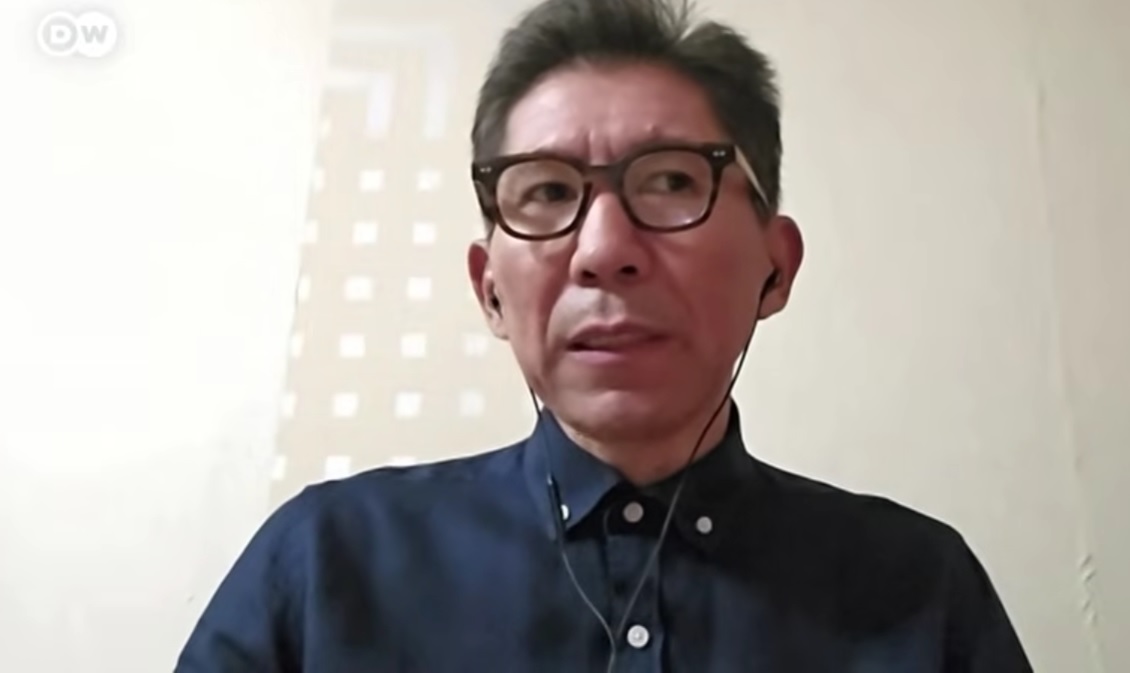 Dosym Satpayev
One of the few prominent Kazakh critics of the election was political analyst Dosym Satpayev. Speaking to Deutsche Welle, he argued that Kazakhstan’s electoral system remained fully controlled by the authorities and that voters still lacked a meaningful choice.
“There is absolutely no intrigue,” Satpayev said, arguing that the transition from a bicameral parliament to a unicameral Kurultai had not fundamentally changed the rules of the political game.
In his view, the election is part of a broader process linked to a future transfer of power. He pointed to the newly created position of vice president, which could potentially be connected with preparations for a successor to Tokayev. At the same time, Satpayev did not rule out Tokayev seeking another presidential term in 2029.
The final answers may therefore have little to do with the election itself. The more significant questions are likely to emerge later: who will become vice president, how the new political system will evolve, and whether Kassym-Jomart Tokayev will seek to remain in power beyond his current term.
-
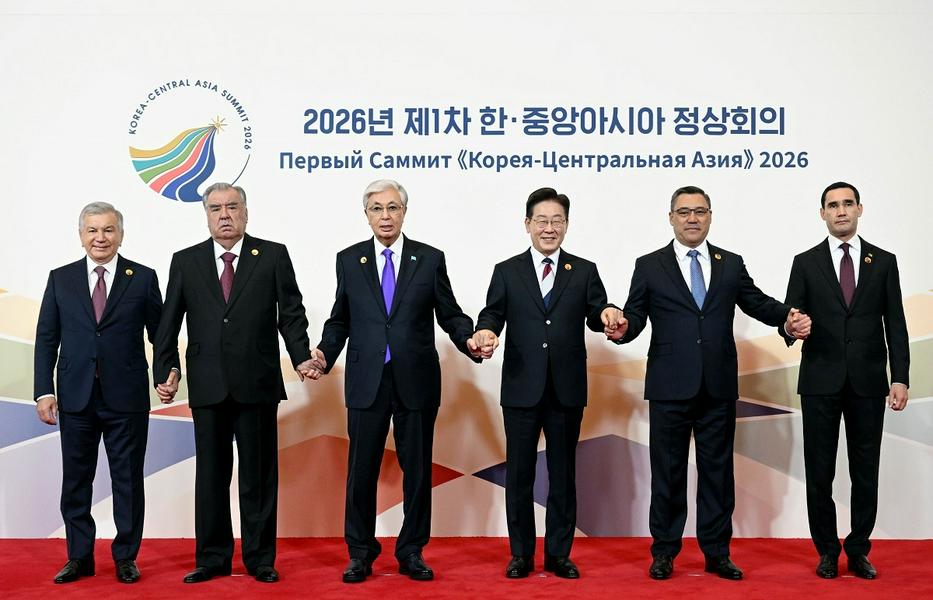 17 September17.09Summit of Morning FreshnessCritical minerals, artificial intelligence — what else was discussed at the “Central Asia–Korea” meeting
 -
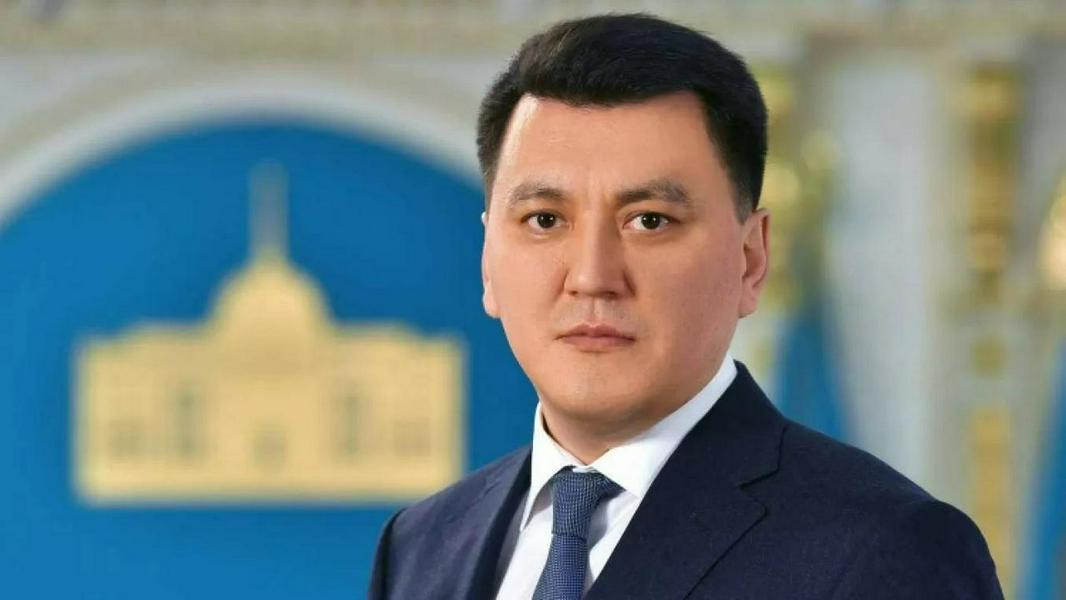 02 September02.09Who Are You, Mr. Vice President?From Analyst to Kazakhstan's Second-in-Command: How Erlan Karin's Views Have Evolved
 -
 01 September01.09Just Look, Don't Say You Didn't SeeAn Islamic civilization media forum in Tashkent gathered over 300 journalists from nearly 50 countries
 -
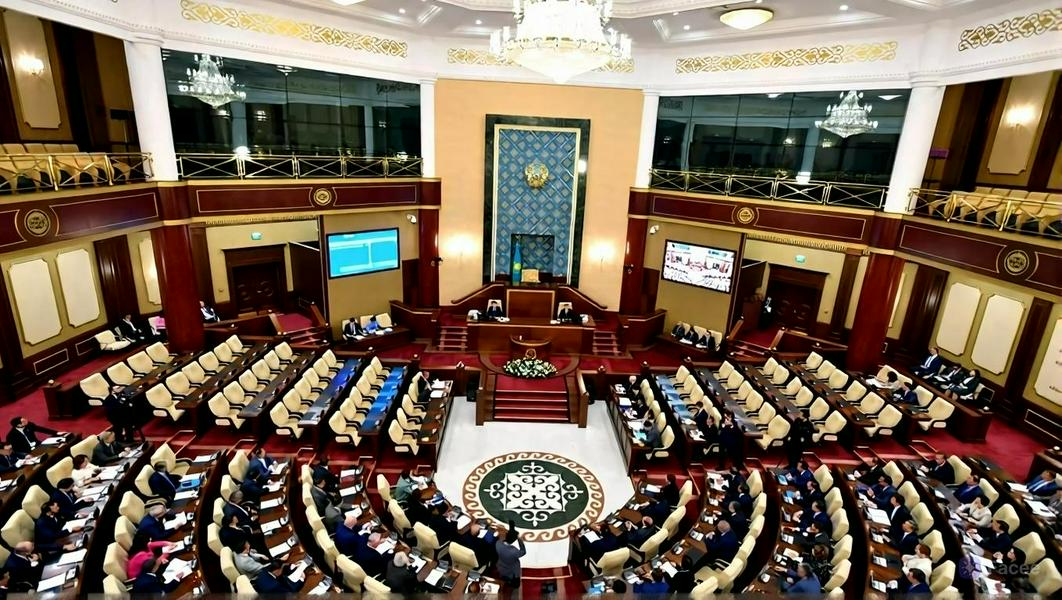 21 August21.08Elections to a Weakened KurultaiBerit Lindeman, Secretary General of the Norwegian Helsinki Committee, on democracy and the parliamentary campaign in Kazakhstan
 -
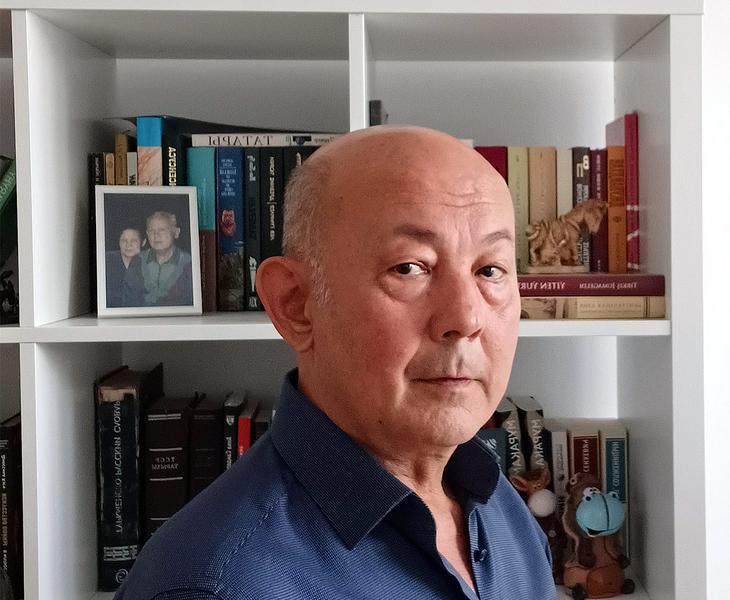 10 August10.08A Caravan in the Expanse of the UniverseHuman rights defender and journalist Farid Tukhbatullin on the past, present, and future of the Turkmen people
 -
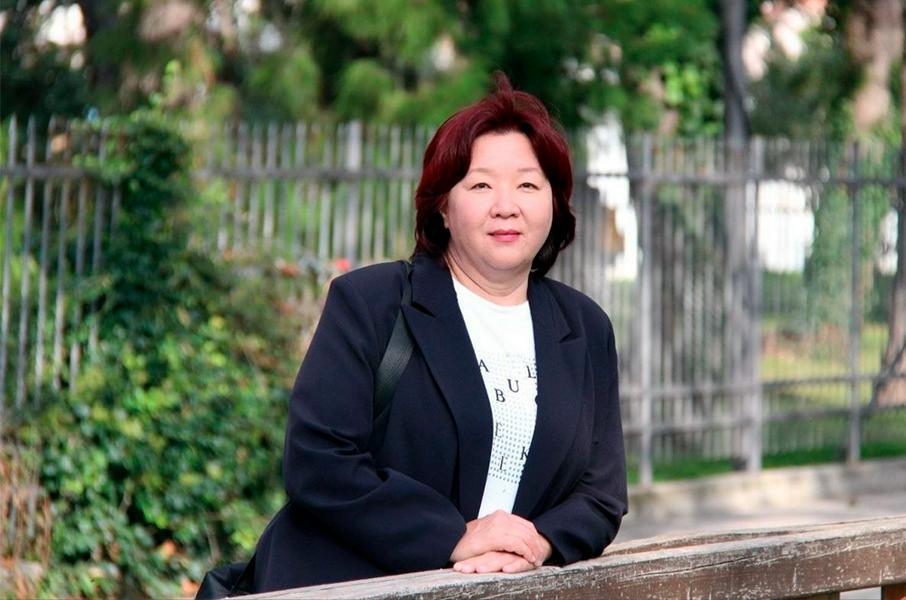 18 July18.07From Survivor to ActivistDina Tansari explains how Kazakhstan’s NeMolchi movement fights violence, police failures and state pressure
-
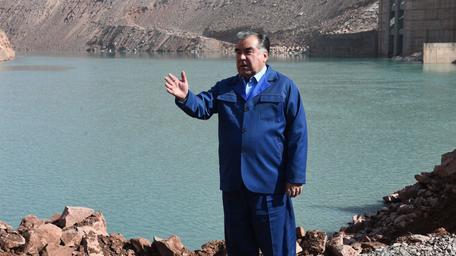
The world's tallest dam is being built in Tajikistan on empty reserves and other people's loans
-
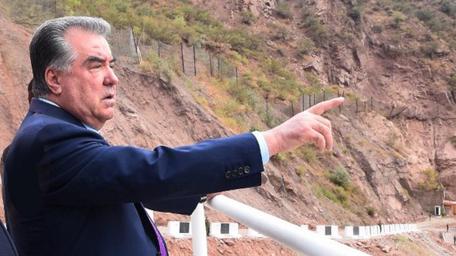
While Emomali Rahmon receives an honorary certificate “from the UN”, the Amu Darya keeps running shallow…
-
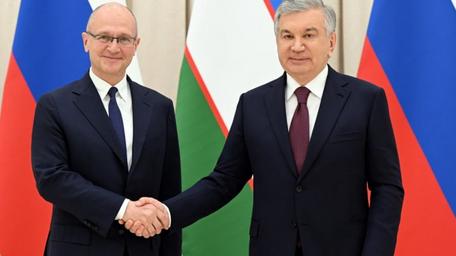
What lies behind Kiriyenko’s visit to Uzbekistan?
-

The story of the persecution of a Kazakh priest who entered into open conflict with the Russian Orthodox Church