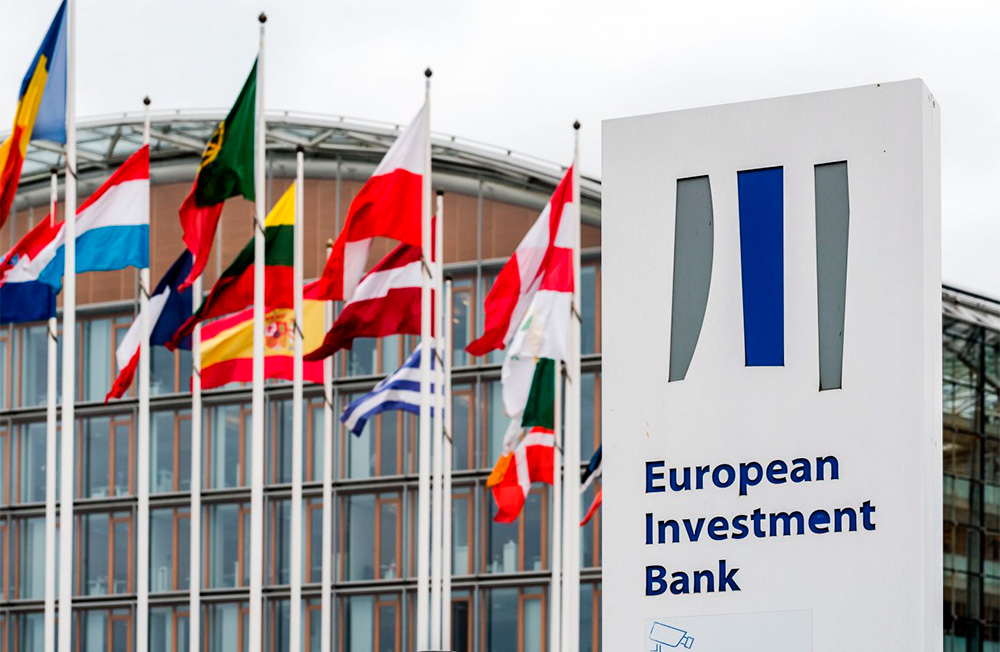
The European Investment Bank (EIB) has officially opened its regional representative office for Central Asia in Tashkent, the institution’s press service reported.
The opening ceremony took place on June 18 as part of the Tashkent International Investment Forum (TIIF). It was led by EIB Vice President Marek Mora, who oversees the bank’s operations in the region.
“In deciding to open a regional representative office, we considered how quickly Central Asia is changing and how strong the demand is for quality investment. A local presence allows us to act faster, work more closely with our partners, and turn ideas into projects,” Mora said.
The European Investment Bank is the financial arm of the European Union and one of the world’s largest multilateral development banks. In 2025, the EIB Group signed new financing and advisory agreements worth €100 billion for more than 870 high-impact projects.
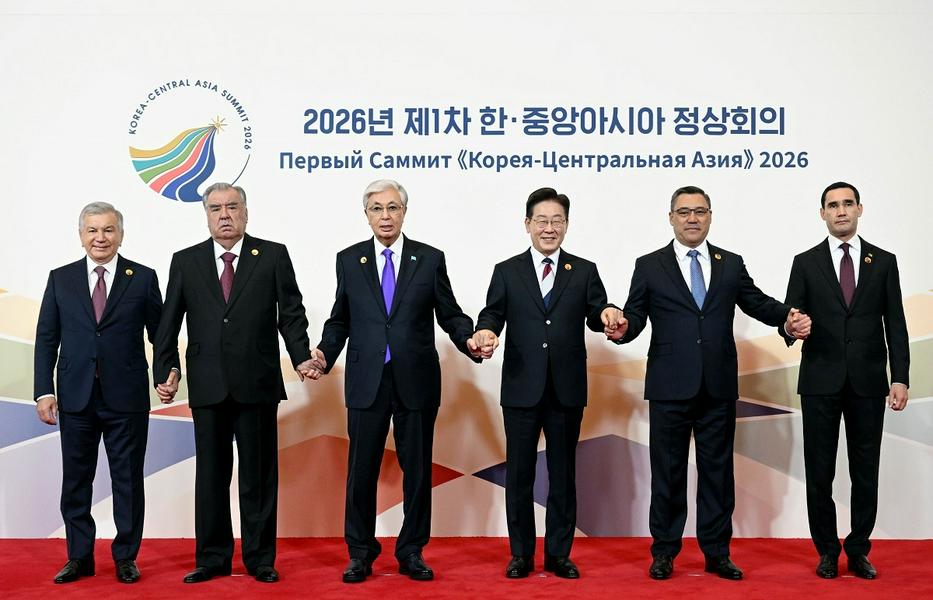
The EIB has been operating in Central Asia since 2009, signing agreements in Kazakhstan, Kyrgyzstan, Tajikistan, and Uzbekistan. In April 2025, at the first EU–Central Asia summit in Samarkand, EIB Global—the bank’s development arm—announced new regional initiatives under the EU’s Global Gateway strategy.
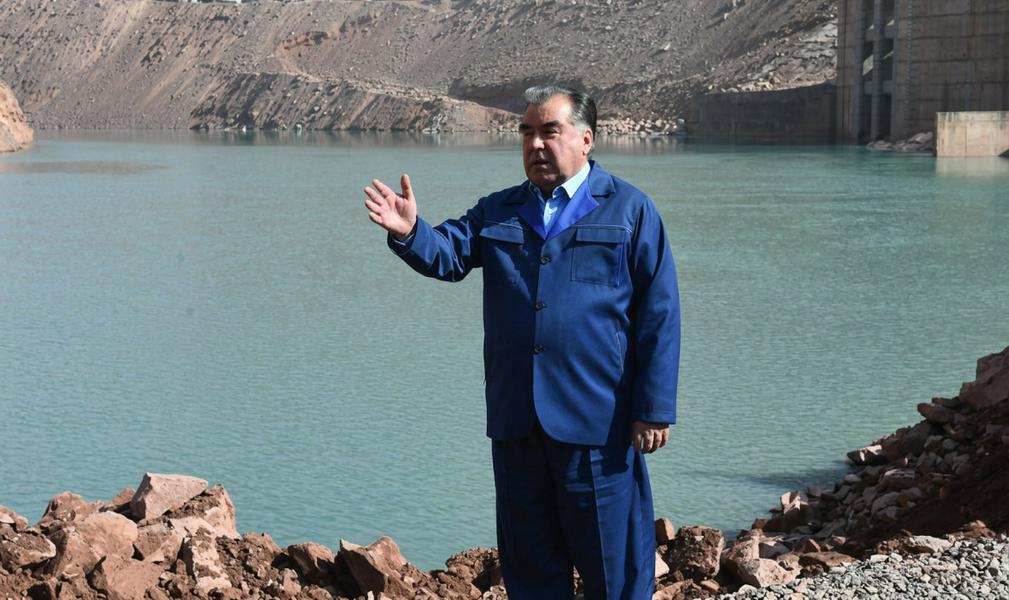
The EIB’s total project portfolio in Central Asia is approaching €3 billion. Investments focus on transport, energy, water supply, digital infrastructure, and climate resilience. Key priorities include support for the Trans-Caspian Transport Corridor and major hydropower projects such as the Rogun HPP in Tajikistan and Kambarata HPP-1 in Kyrgyzstan.
Uzbekistan became a key partner for the EIB after signing a framework agreement in 2017. Together with the country’s Ministry of Investments, Industry and Trade (MIIT), the bank is building an investment portfolio estimated at €1 billion, including signed projects and existing memoranda.
Funding may support green, smart, and safe transport along the Trans-Caspian Corridor, clean energy and sustainable water management, secure digital connectivity, healthcare supply chains and local vaccine production, as well as value chains in critical raw materials.
Financing will be provided through a range of instruments, including sovereign and sub-sovereign lending, public-private partnerships (PPPs), direct private sector financing, equity investments, and blended finance.
Alongside investments, the EIB is expanding its advisory work in the region. A first step was the signing of a Declaration of Intent between EIB Global and JSC “Uzsuvtaminot” during TIIF.
The parties are exploring advisory support for a PPP project to build the Surum wastewater treatment facilities in Tashkent, with a capacity of 300,000 cubic meters per day. The project is expected to modernize the capital’s sewage infrastructure and improve sanitary safety for residents.