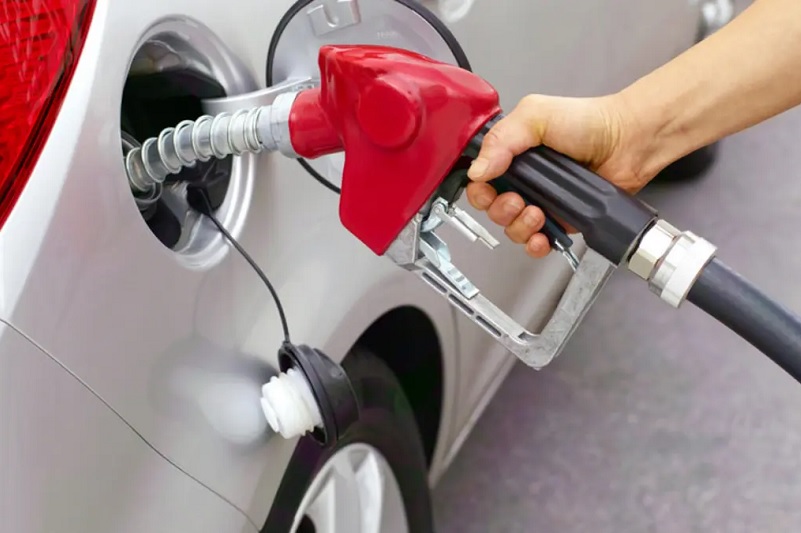
Kyrgyzstan has officially asked Kazakhstan for supplies of fuels and lubricants, Vice Minister of Energy Kaiyrkhan Tutkyshbaev announced at a government briefing, Vlast.kz reported. According to the official, the request is under review by the Ministry of Energy, though he did not specify the volumes involved.
Commenting on reports of gasoline shortages in Russia and Kyrgyzstan, Tutkyshbaev noted that no official requests regarding fuel supplies have been received from the Russian side. Earlier, Reuters, citing sources, reported that Moscow had asked Kazakhstan for about 50,000 tons of AI-92 gasoline to ease its domestic shortage — an appeal Kazakh officials have repeatedly denied.
In early July, Kyrgyzstan appealed to Kazakhstan, Russia, Belarus, Azerbaijan, Uzbekistan, and Turkmenistan for help securing stable fuel supplies amid fears of a looming deficit. The republic's Energy Ministry noted that Kyrgyzstan imports most of its fuels and lubricants, with Russia as the main supplier: of the roughly 1.6 million tons consumed annually, 90–95% is imported from Russia, and Russian gasoline accounts for nearly 100% of supply.
Uzbekistan says reserves are sufficient
Uzbekistan, meanwhile, produces over 100,000 tons of oil products a month, and its reserves are enough for the next two to three months, First Deputy Minister of Energy Umid Mammadaminov said, according to Gazeta.uz citing the Uzbekistan 24 TV channel. Annual output reaches 1.2 million tons, and private importers bring in another 600,000–700,000 tons from abroad, fully covering domestic demand, he said.
Mammadaminov added that in the current geopolitical climate, the energy security of some states is under threat, making it essential not only to build reserves but also to expand production capacity. He stressed that the ministry is working to fulfill President Shavkat Mirziyoyev's instructions on uninterrupted supplies of electricity, gas, and fuel to citizens during the autumn-winter season, with specific tasks, crew numbers, and reserve calculations already in place.
«I am confident that together with other organizations, regional authorities, and representatives of related industries, we will get through the autumn-winter season without losses,» the deputy minister said.
Official statistics show that in January–May, gasoline production in Uzbekistan rose by almost 3%, to 502,200 tons. However, output turned negative late in the spring: refineries produced 104,300 tons of motor fuel in April but only 84,700 tons in May. State company Uzbekneftegaz also reported that it had missed its plan for diesel and fuel oil production, blaming restrictions on raw material imports linked to the geopolitical situation. The company plans to catch up by year-end and is building reserves of lubricants and motor fuel, as Mirziyoyev has ordered the creation of a 120,000-ton gasoline reserve.
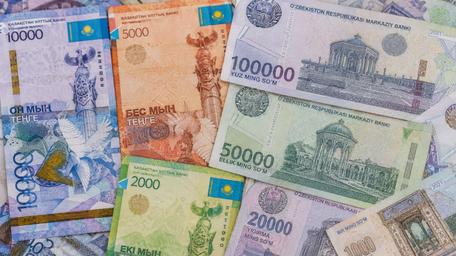
The shortage has already pushed prices to record highs. In late June, the exchange price of AI-92 gasoline in Uzbekistan hit a historic peak of 13.92 million soums ($1,157) per ton, having risen by more than 11% in the previous month.
Russia at the source of the crisis
The strains across Central Asia stem largely from the crisis in Russia, where gasoline shortages have become an acute problem. Moscow introduced a ban on motor fuel exports in April, though the measure was not supposed to affect intergovernmental agreements, including deliveries to Uzbekistan.
The reasons trace back to Ukrainian drone strikes on Russian energy infrastructure: eight of the ten largest Russian refineries have now been hit. As a result, Moscow has not only halted fuel exports, including to Central Asia, but is also actively buying gasoline abroad — most notably from India and Belarus.