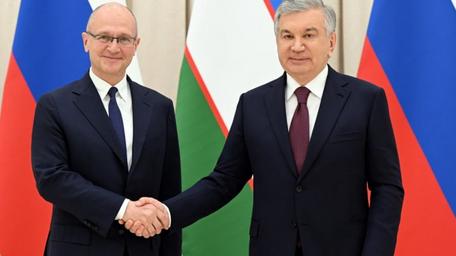
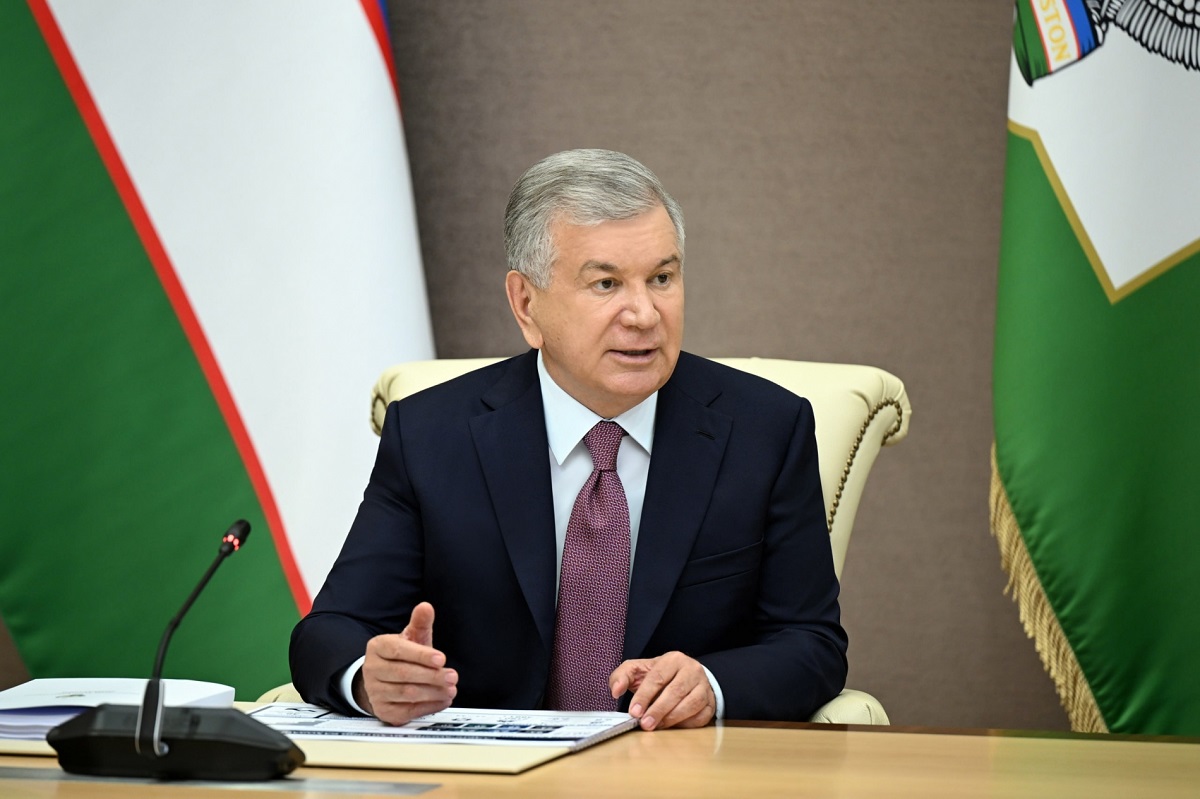
 Shavkat Mirziyoyev. Photo by the press service of the President of Uzbekistan
Uzbek President Shavkat Mirziyoyev has signed a constitutional law defining the powers and responsibilities of the Presidential Administration. The document has entered into force, according to a statement by presidential press secretary Sherzod Asadov.
The need for the law stems from the fact that although the Presidential Administration (PA) is the only constitutional body ensuring the head of state's activities, its interaction with government agencies had not previously been clearly regulated by legislation. The new law, comprising four chapters and 34 articles, lays out the constitutional mechanisms for the PA's work within its existing mandate.
The press service noted that codifying the legal status of the body supporting the president's activities at the level of law aligns with international practice in presidential governance.
According to the document, the Administration's main tasks include:
▪️ Analyzing the country's socioeconomic and sociopolitical development, providing organizational, legal and analytical support for reforms, and developing new initiatives
▪️ Coordinating the activities of law enforcement, oversight bodies and security agencies
▪️ Preparing proposals on the main directions of domestic and foreign policy, and safeguarding Uzbekistan's sovereignty, security and territorial integrity
▪️ Organizing open dialogue with the public and business community
▪️ Implementing a unified state personnel policy and managing the civil service
▪️ Ensuring the president's authority over citizenship, political asylum, amnesty and pardon matters
The Administration also coordinates interaction between the Cabinet of Ministers and other government bodies in carrying out presidential directives, and monitors and evaluates the effectiveness of the government's work.
The law establishes the powers of the head of the Administration, a position currently held by Saida Mirziyoyeva. The PA chief has the right to:
▪️ Create and eliminate additional staff positions, as well as establish or dissolve project offices for developing specific sectors
▪️ Coordinate and oversee administrative reforms in national and local executive bodies, and submit proposals to the president on improving public governance
▪️ Facilitate the introduction of a key performance indicator (KPI) system across government agencies
▪️ Appoint and dismiss certain officials at state bodies and organizations
▪️ Establish or abolish compliance oversight units within government agencies, as well as create positions of deputy heads or advisers on compliance and internal anti-corruption control
The head of the PA also has the right to engage independent advisers on a contractual basis. Under the law, the head of the Administration becomes deputy chairman of the Security Council under the president and coordinates the activities of its members.
The law provides immunity guarantees for the Administration's management staff: no criminal case may be opened against these officials, no measures restricting their rights and freedoms may be applied, no operational-investigative activities may be conducted against them, and no administrative arrest may be imposed. Criminal cases against PA officials—both during their tenure and after leaving office—may be initiated only by the prosecutor general, with any review falling under the jurisdiction of the Supreme Court.
After leaving the Administration, management staff are guaranteed subsequent employment: the state is required to offer a position at least one rank higher than the one the official held before joining the PA. Exceptions apply if the civil servant was appointed from an elected post or was dismissed from the Administration for violating labor discipline.