 Photo courtesy of today.tj
Draft agreements with foreign companies regarding the extraction, production, and trade of precious metals and gemstones will undergo mandatory anti-corruption screening in Tajikistan. President Emomali Rahmon signed the relevant legislative amendments on October 21, Asia-Plus reports.
The amendments modify the 2001 Law on Precious Metals and Precious Stones. Previously, draft international treaties and agreements with foreign legal entities underwent mandatory economic and legal reviews. Authorities have now added an assessment for corruption risks. The government will establish the review procedures, while an authorized state agency will oversee implementation. The lower house of parliament passed the amendments on June 15, and the upper house approved them on October 17.
The new requirements apply not only to gold mining, but also to contracts governing the production, use, and circulation of other precious metals and gems. International treaties in this sector remain subject to mandatory parliamentary ratification.
The legislation also tightens state regulation of artisanal small-scale mining. It introduces mandatory licensing, record-keeping, reporting, state inspections, and gives the government pre-emptive rights to purchase extracted raw materials. Illegally mined, seized, or confiscated precious metals and stones will be transferred to the State Fund of Precious Metals and Precious Stones, which forms part of Tajikistan’s gold and foreign currency reserves.
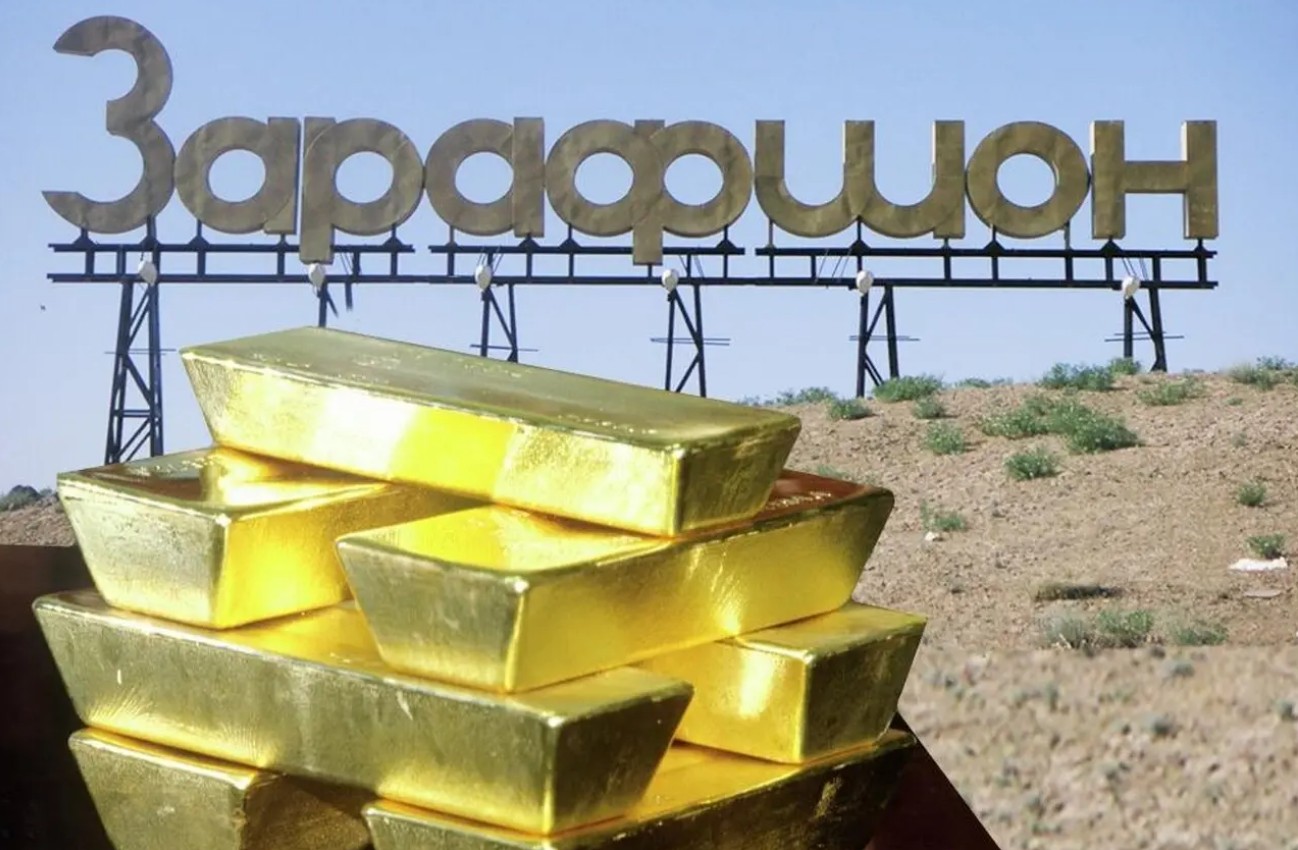
Chinese companies represent the largest foreign investors in Tajikistan’s gold mining industry. Major players include Zijin Mining, which controls the Zarafshon venture; China Nonferrous Gold, which operates the Pakrut mine; and TBEA and Tibet Huayu Mining, both partners in the TALCO Gold project.
According to data from the International Monetary Fund, Zarafshon accounted for roughly 70% of the country’s gold production in 2023. Other major producers include the Tajik-British joint venture Aprelevka, in which UK-registered Gulf International Minerals holds a 49% stake, and the state-owned enterprise Tilloi Tojik.