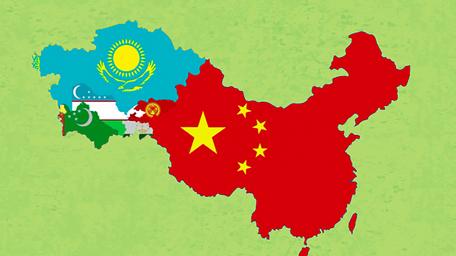
Russia has included a demand that NATO countries renounce «all military activity» in Central Asia among its conditions for ending the war in Ukraine, The New York Times reported on November 13. The newspaper reviewed an informal document circulated by Russian envoys during talks with U.S. and Ukrainian delegations in Abu Dhabi.
The demand encompasses not only Central Asia, but also Ukraine, other Eastern European states, and the South Caucasus. Moscow is also insisting on a complete halt to further NATO expansion. The Kremlin is thus seeking to restrict the alliance's military footprint far beyond Ukraine, extending well into the Central Asian region.
In this respect, Moscow's position mirrors the demands it issued prior to its full-scale invasion of Ukraine. Article 7 of the draft security treaty with NATO member states, which the Russian Foreign Ministry published on December 17, 2021, proposed codifying a pledge by alliance members to refrain «from conducting any military activity on the territory of Ukraine, as well as other states of Eastern Europe, the South Caucasus, and Central Asia.» The language is specifically aimed at NATO members and goes well beyond the issue of establishing military bases.
According to the NYT, Russian representatives in Abu Dhabi pointed to Cold War-era European security arrangements as a possible blueprint for a post-war settlement. They maintained that dividing Europe into American and Soviet spheres of influence, coupled with the bilateral pacts and communication channels in place at the time, reduced the risk of conflict. Critics cited by the newspaper fear that Washington could inadvertently help Vladimir Putin restore a Soviet-style sphere of influence stretching from Europe to Central Asia.
Beyond regional restrictions, Moscow is demanding that NATO withdraw troops and installations to its 1997 posture prior to eastern expansion, and halt all Western arms and military equipment deliveries to Ukraine.
The Russian side is willing to greenlight Ukraine's entry into the European Union only if Kyiv does not take part in the EU's common defense policy. Another demand targets the United Kingdom and France, requiring both nations to rule out deploying their nuclear arsenals to defend other European states.
Dated November 10, the document bears neither an official letterhead nor a signature. It is a so-called non-paper—an informal outline of a negotiating position rather than an agreed framework. The NYT obtained the text from a participant in the negotiations, and another informed source corroborated its authenticity. Sources told the paper that Russian envoys framed the text as an opening bid, suggesting Putin may yet show flexibility.
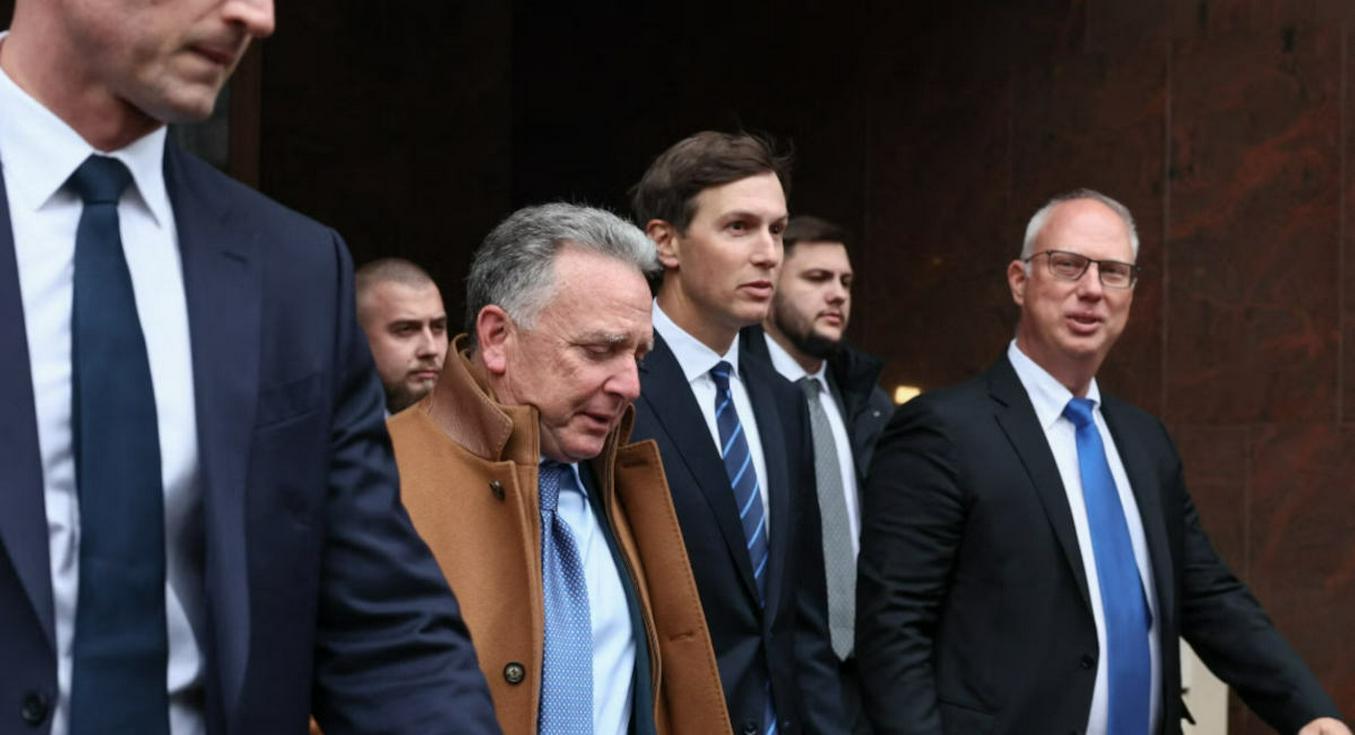
According to a U.S. administration official quoted by the NYT, American negotiators Steve Witkoff and Jared Kushner responded to their Russian counterparts that circumstances have changed significantly since December 2021. They conveyed a willingness to review new proposals from Moscow, provided they outline concrete Russian steps toward de-escalation. A Kremlin spokesperson declined to comment.