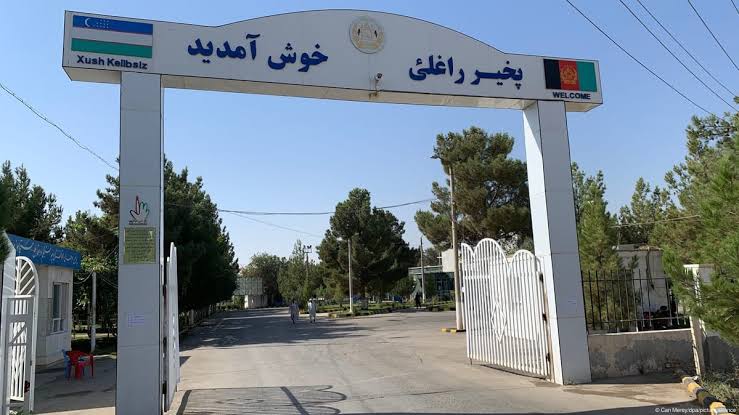
 Uzbek-Afghan border. Photo: DW.com
The share of Central Asian transport corridors in Afghanistan’s imports has grown over the year from 27.2% to 42.2%, while Pakistan’s share plummeted from 20.1% to 0.3%, according to the November report by the World Bank on Afghanistan's economic outlook.
Following the closure of the border with Pakistan in October 2025, Afghan importers required about two months to reroute freight traffic. In April–September 2026, the value of goods imported via Central Asia rose by $1.02 billion compared with the same period last year. Central Asian and Iranian routes combined now account for 97% of total Afghan imports.
The pivot has proven less successful for Afghan exporters. While imports increased by 2.2% in monetary terms over the six-month period to reach $6.6 billion, exports shrank by 15.1% to $667 million. Producers of fresh fruits and vegetables suffered the sharpest blow, as shipping produce over longer distances proved economically unviable.
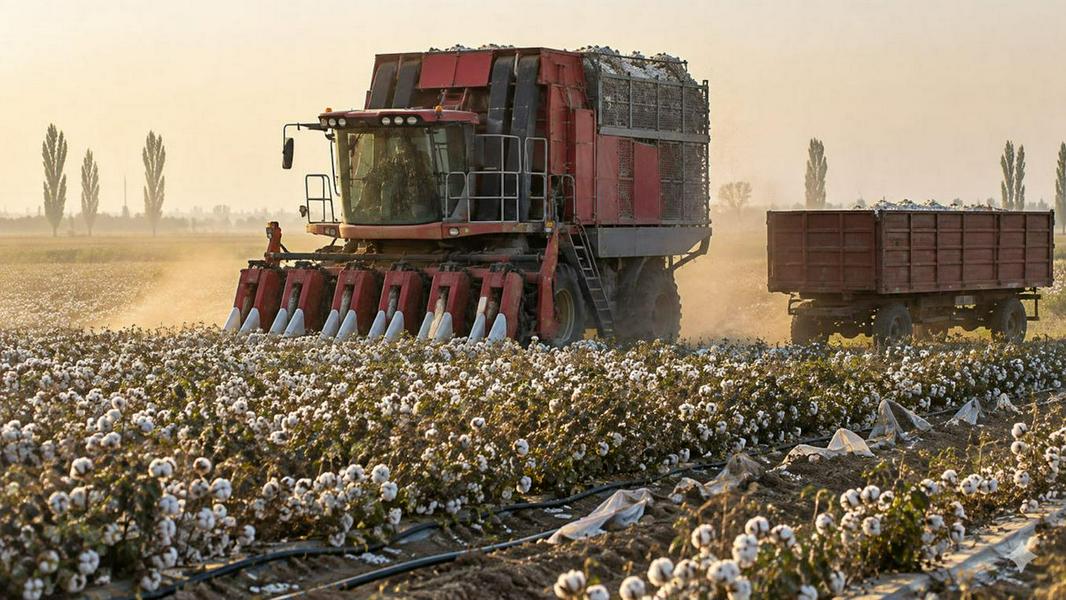
At the same time, the value of commodities exported via Central Asia more than doubled to $210 million. Carded cotton shipments along these corridors surged from $21 million to $94 million. Producers of dried fruit and saffron have also succeeded in securing alternative markets.
World Bank experts emphasize that Afghanistan’s heavy dependence on a narrow range of transit corridors poses persistent risks to the nation’s economic stability.
In recent years, Central Asian states have actively expanded commercial and economic relations with the Taliban authorities in Afghanistan. Kazakhstan and Kyrgyzstan removed the Taliban from their national lists of banned organizations, while Uzbekistan and Turkmenistan have deepened cooperation with Kabul across transport and energy sectors. In addition, Central Asian republics aim to leverage Afghan territory to reach markets in South Asia.
Among the largest joint logistics ventures is the Trans-Afghan Railway project, designed to link Central Asia directly with Pakistani seaports. Kazakhstan has also expressed interest in building a rail line from the Torghundi station on the Turkmen-Afghan border to Herat, pledging $500 million to fund the required infrastructure.
Transit links between Afghanistan and China are also accelerating. In May 2026, trial freight runs commenced along a multimodal route from China to Herat via Kazakhstan, Uzbekistan, and Turkmenistan. In October, as Fergana reported, officials unveiled a new rail route to deliver Chinese freight through Kazakhstan and Uzbekistan to Afghanistan’s Balkh province. The China–Kyrgyzstan–Uzbekistan railway currently under construction is expected to create further commercial opportunities for trade with Beijing.