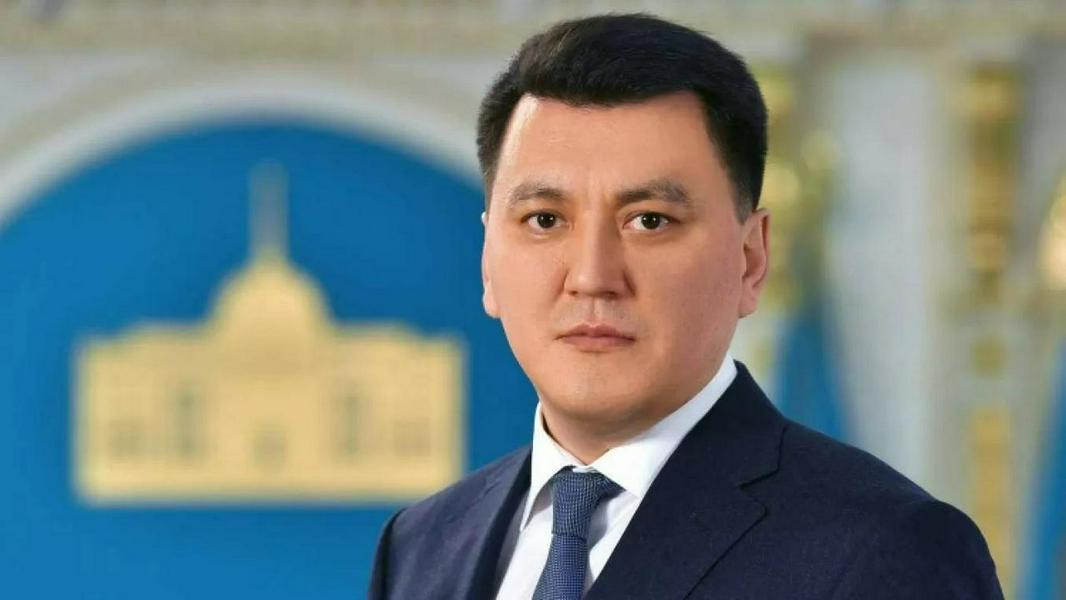
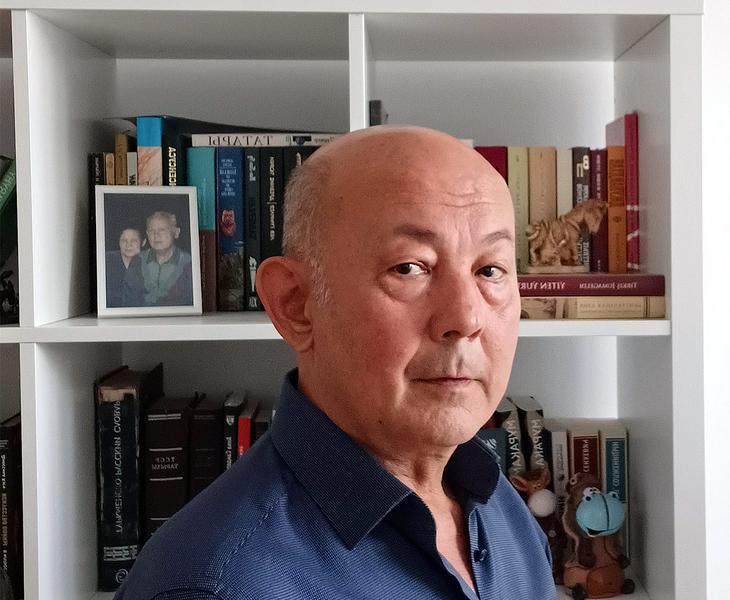
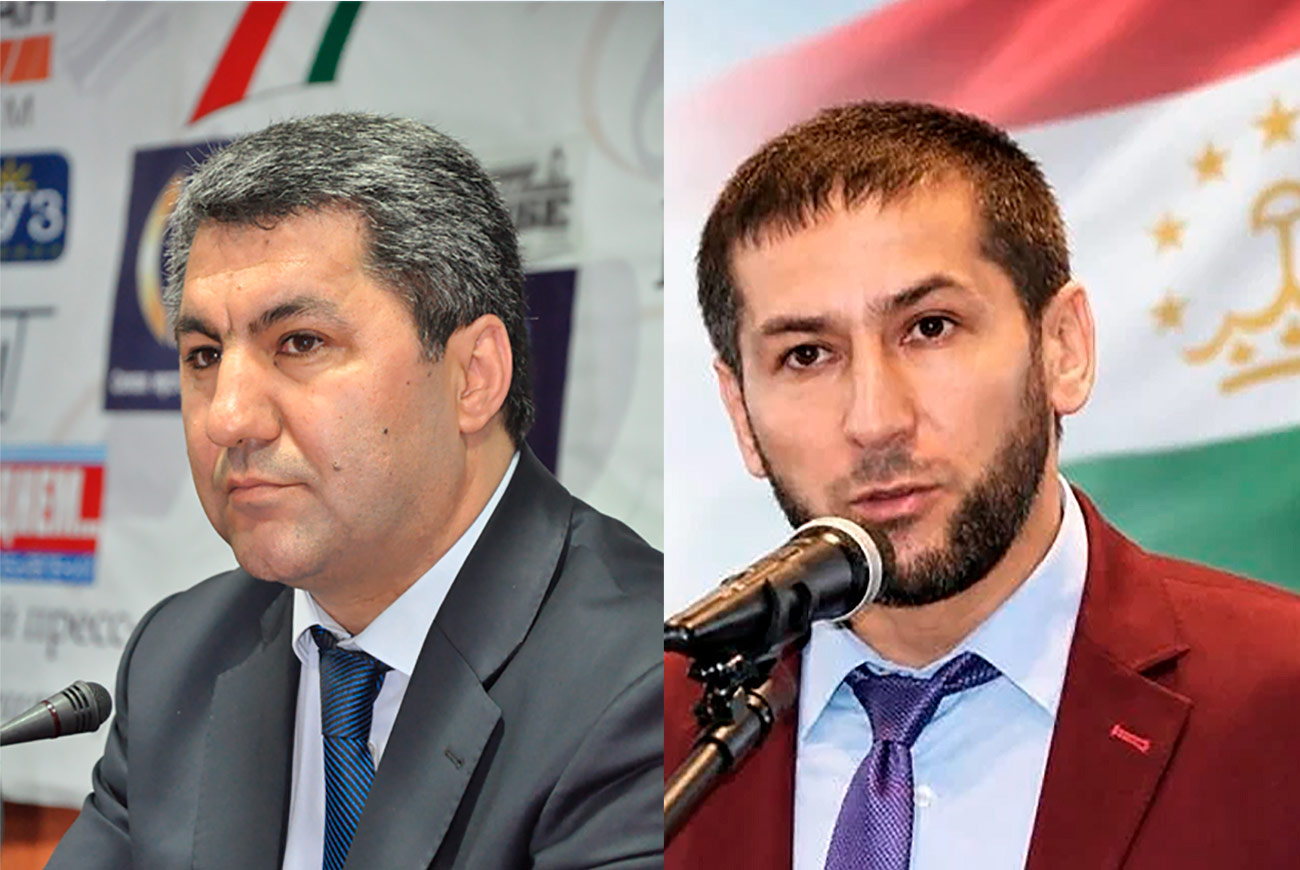
 Muhiddin Kabiri (left), Islomjon Saidov. Photo: Wikipedia, tajnews.org
Muhiddin Kabiri has announced that he is stepping down as leader of the Islamic Renaissance Party of Tajikistan (IRPT), according to Azattyk Asia.
Islomjon Saidov, formerly the party’s first deputy chairman, was elected as the new IRPT leader at a congress held in Vilnius on September 19. Two other candidates, Abubakr Nuri and Abdulkadir Sheykhov, also ran for the post, but Saidov won 64% of the vote.
Kabiri said he was resigning after a long tenure at the head of the party, adding that “the time has come for renewal.” Addressing reports of serious divisions within the IRPT, he said those who had left the party had done so under pressure from Tajikistan’s security agencies.
Kabiri will remain head of the National Alliance of Tajikistan, a coalition of opposition organisations operating abroad.
The IRPT was formally established in October 1991. Kabiri became its leader in 2006 following the death of the party’s founder and long-time chairman, Said Abdullo Nuri. For 16 years, it was the only officially registered religious political party in the former Soviet Union.
In 2015, the Tajik authorities accused the IRPT of involvement in an armed mutiny led by former Deputy Defence Minister Abdulkhalim Nazarzoda. Tajikistan’s Supreme Court subsequently designated the party a terrorist and extremist organisation.
Many party members and supporters were persecuted, while the leadership was arrested. Fourteen members of the party’s political council received prison sentences, including Makhmadali Khayit and Saidumar Khusayni, who were sentenced to life imprisonment.
Kabiri left Tajikistan before the crackdown. He was later tried in absentia and sentenced to life in prison on charges under 16 articles of the Criminal Code.
The IRPT leadership and Kabiri have consistently rejected the accusations, describing them as politically motivated and intended to eliminate an opposition force. Before it ceased operating in Tajikistan, the party reportedly had more than 40,000 members and was the country’s second-largest political force after the ruling People’s Democratic Party.