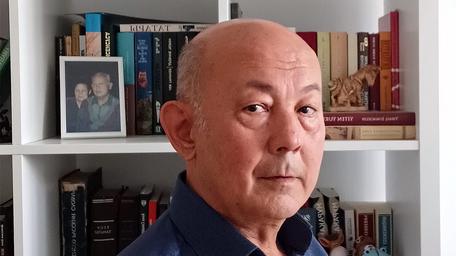
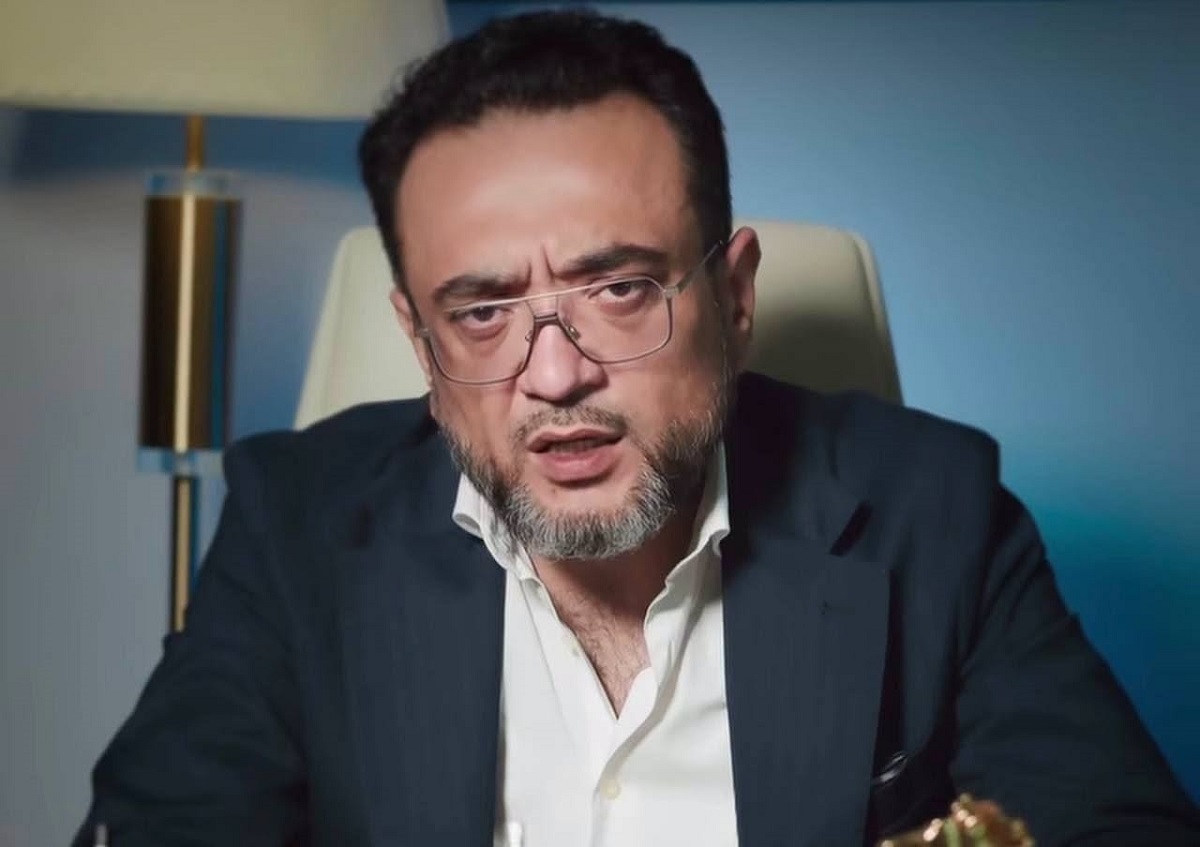
 Said-Abdulaziz Yusupov. Photo from social media
Said-Abdulaziz Yusupov, who served as director of the republic's Public Fund for Support and Development of Independent Print Media and News Agencies from December 2017 to May 2019, has been sentenced to ten years in prison. The Military Court handed down the verdict on November 20, Kun.uz reports.
The former media fund director was convicted under Article 159, Part 3, Clause «a» (“Encroachments on the Constitutional Order of the Republic of Uzbekistan”) and Article 139, Part 2, Clauses «a» and «g» (“Defamation”) of the country's Criminal Code.
Further details and circumstances surrounding the case were not disclosed.
Yusupov has a prior criminal record. In the spring of 2019, authorities detained him on suspicion of large-scale fraud. At that time, the public figure faced charges under Articles 167 (“Embezzlement or Misappropriation”), 168 (“Fraud”), 211 (“Bribery”), and 28 (“Types of Accomplices in a Crime”) of the Criminal Code. According to investigators, the former fund director posed as a State Security Service (SGB) officer to solicit bribes from citizens.
He was ultimately sentenced to 6.5 years in a penal colony, but the sentence was commuted to 2.5 years of correctional labor after he paid restitution.
On July 8, 2020, the Yashnabad District Court of Tashkent ruled to dismiss the criminal case and released Yusupov directly from the courtroom. Arslan Shaymardanov, the former director's defense attorney, stated that his client had covered the damages incurred by the victims, though he declined to name the exact amount, describing it only as «minor."
According to his lawyer, following the journalist’s arrest in May 2019, Yusupov was held in an SGB pre-trial detention facility, spent two weeks at Tashkent Prison, and was repeatedly transferred for medical treatment.
His attorney and relatives maintained that Yusupov was subjected to physical and psychological pressure by law enforcement officials while in custody. However, a forensic inquiry conducted by the Prosecutor General’s Office found no evidence of torture.