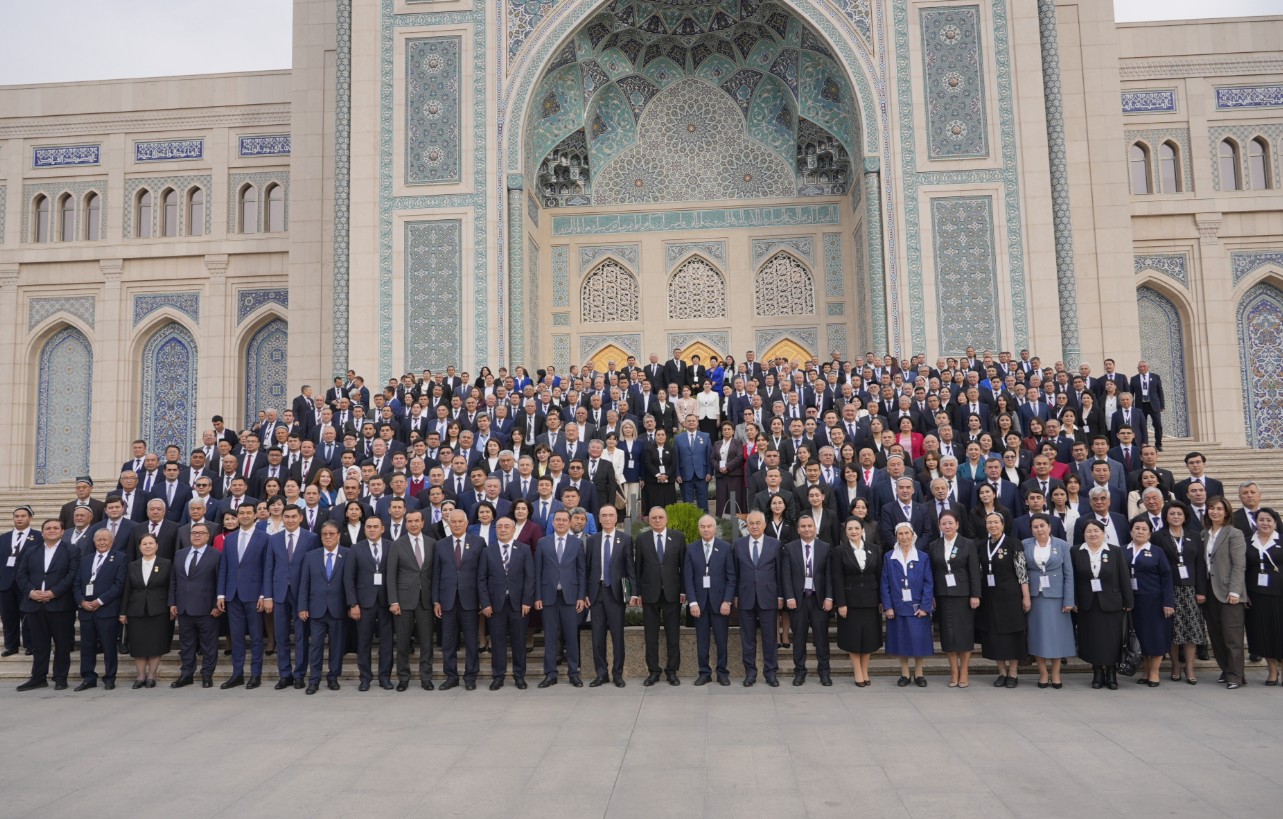
 Council of Intelligentsia. Photo: Center for Islamic Civilization
Uzbekistan has established a Council of Intelligentsia designed to elevate dialogue between the state and figures in science, education, culture, and the arts. The new body held its inaugural session at the Center for Islamic Civilization (CIC) in Tashkent, the institution's press service reported.
Around 500 scholars, educators, physicians, engineers, writers, poets, artists, journalists, and public figures from across the country attended the gathering.
Saida Mirziyoyeva, head of the Presidential Administration of Uzbekistan, delivered the opening remarks. She emphasized the critical role of intellectuals in national development, preserving the native language and cultural identity, and shaping the country's long-term spiritual trajectory.
“We welcome objective views and bold initiatives. I am confident the Council will serve as a launchpad for fresh ideas,” Mirziyoyeva stated.
President of the Academy of Sciences of Uzbekistan Shavkat Ayupov drew a historical parallel between the council's mission and statecraft traditions under Amir Timur, when rulers consulted wise and learned counselors. He also noted the symbolic resonance of convening the Council's first meeting at the Center for Islamic Civilization, which showcases the legacy of the East's foremost thinkers.
“The intelligentsia serves as the eyes, ears, and conscience of society. The public always looks to it for truth and guidance. In charting our nation's future path, intellectuals must lead the way as society's driving intellectual force,” Ayupov emphasized.
During the session, Professor Nursulton Tukhliev proposed stepping up efforts to identify Uzbek equivalents for borrowed foreign terms and revitalizing the terminology commission. Nodir Nishonov, author of the “Historical Dervish” project, pitched an initiative to offer public grants for creators of popular science content.
Other proposals included establishing a “Spiritual Calendar” marking dates tied to prominent historical figures, backing private theaters, and actively involving intellectuals in mentoring youth within local mahallas (neighborhood communities).
The nationwide meeting followed regional preparatory gatherings across Karakalpakstan, the provinces of Uzbekistan, and Tashkent, which drew more than 2,000 intellectuals who tabled roughly 1,000 proposals.
Concluding the event, Ayupov underlined that the Council's primary mandate is to align intellectual initiatives with national development goals and translate ideas into tangible, practical solutions.
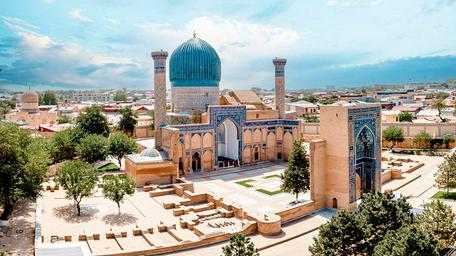
ℹ️ The Center for Islamic Civilization was built in Uzbekistan's capital adjacent to the Hazrati Imam complex. Designed in the style of medieval architectural monuments, the facility features four 34-meter portals and a 65-meter central dome. It houses a Quran hall, a 550-seat conference auditorium, and a museum tracing Uzbekistan's history from pre-Islamic times to the present day. The CIC aims to serve as a research hub exploring ancestral heritage and its modern resonance in partnership with the International Islamic Academy of Uzbekistan and global academic centers.
All related coverage is available in our special report: Center for Islamic Civilization in Tashkent.