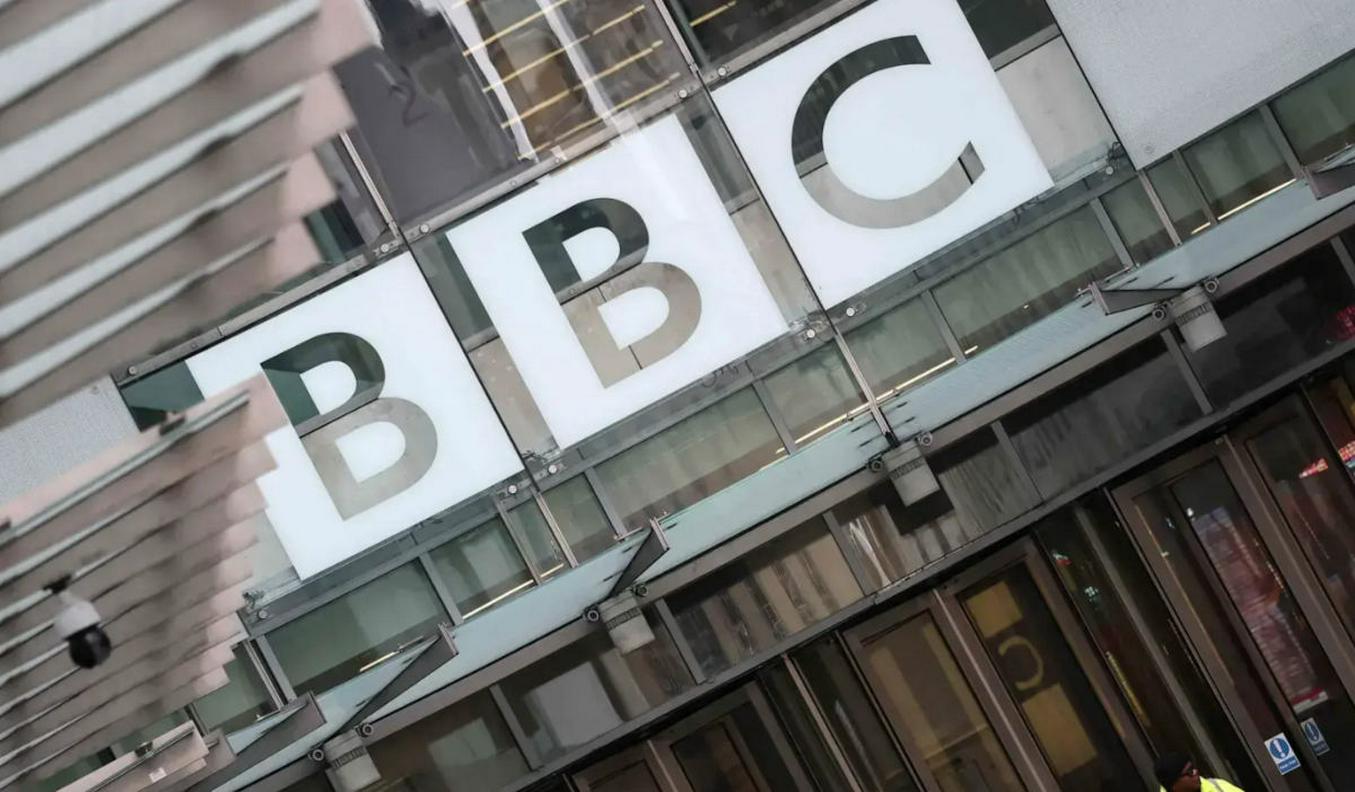
Taliban authorities have suspended BBC broadcasts on FM transmitters across Afghanistan. The BBC announced the move in an official statement on October 13, saying its radio programs in Dari, Pashto and English are no longer airing on the country's FM frequencies.
«Millions of people across Afghanistan rely on the BBC as a source of accurate news and information, and we are working with the authorities to resolve the situation,» the statement said.
Broadcasts to Afghanistan continue on shortwave and medium wave, via satellite and online. As the BBC News website notes, the corporation's FM broadcasts previously reached more than 20% of the country's adult population every week. The BBC also produces educational programs for girls, whom the Taliban bar from attending secondary school.
Khubaib Ghufran, a spokesman for the Taliban's Ministry of Information and Culture, told Reuters that the BBC's operations had been suspended «temporarily due to repeated violations.» He did not specify which ones. The Afghan newspaper Hasht-e Subh, citing its own sources, reports that the Taliban accused the BBC of violating their media policy. According to the paper, the corporation received the order to stop broadcasting four days before the move became public.
Afghanistan International television has suggested a possible reason. According to its sources, the authorities were angered by an interview with former Taliban governor Abdullah Sarhadi in a BBC documentary marking the anniversary of the fall of Kabul. In the report, published in August by BBC correspondent Kawoon Khamoush, Sarhadi at first dodged questions about the Buddha statues in Bamiyan, which the Taliban blew up in 2001, but then admitted: «I destroyed it with my own hands.» «Everything we did and do is in accordance with the teachings and law of God… We smash idols, we don't sell them. Why should I regret it? It was God's will,» he said.
In the 1990s, Sarhadi was a Taliban military commander in Bamiyan and spent several years in the American prison at Guantanamo. After the movement returned to power, he served as governor of Bamiyan and then of Jowzjan, and shortly before the interview's publication he became deputy commander of a military corps in Kunduz. Afghanistan International stresses that it was the first time he had spoken publicly about his personal role in destroying the statues.
The BBC's Afghan service has been on air since 1981. After the Taliban banned Voice of America and Radio Liberty in 2022, the BBC remained the only international news organization broadcasting inside the country, The Desk reminds readers. The Taliban tightly control Afghan media: music is banned from the airwaves, and women cannot appear on screen alongside men. According to Reporters Without Borders, repression and censorship have made Afghanistan a global center of forced exile for journalists.