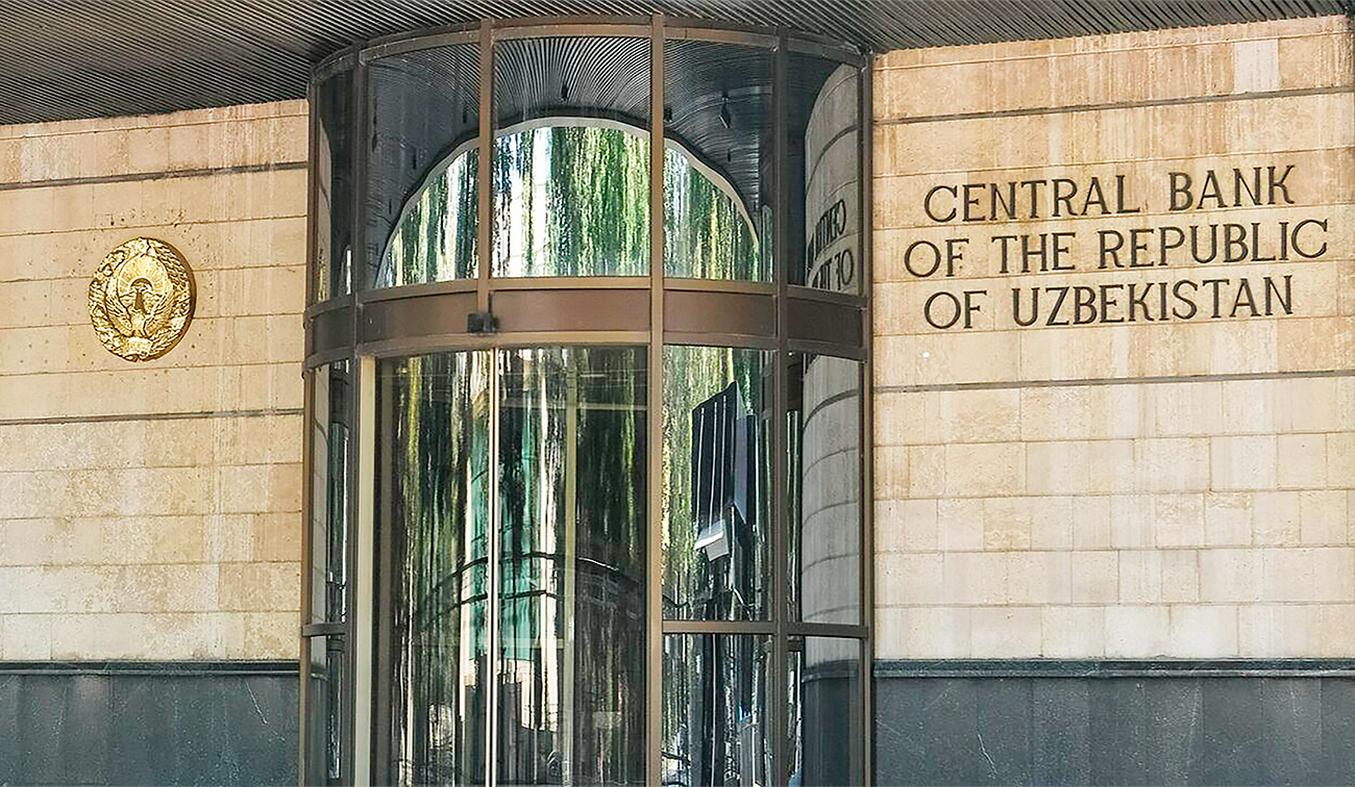
The Central Bank of Uzbekistan has issued the country's first-ever license for Islamic banking operations. Open bank received the permit, according to the regulator's press office.
License No. 1-I was granted under an October 23, 2026 resolution of the Central Bank Board. It authorizes Islamic financial transactions established under Article 5¹ of the Law «On Banks and Banking Activity.» These include profit-sharing financing (mudarabah), agency arrangements (wakala), installment sales (murabaha), forward financing (salam), partnership ventures (musharakah), and Islamic leasing (ijarah) with an option to purchase.
Before rebranding in 2025, Open bank operated under the name Smart bank. Founded in 2022, it was initially built on the foundation of an entity affiliated with Agrobank. Future Open Technology Group is the sole shareholder of Open bank.
Uzbek President Shavkat Mirziyoyev signed the law introducing Islamic banking in March 2026, and it came into force on June 29.
The law establishes a five-member Islamic Finance Board under the regulator. The board will develop standards, review financial products, and advise banks on Sharia compliance.
According to the Central Bank, more than ten credit institutions have launched preparations to enter the sector. The introduction of Islamic finance is projected to draw up to $1 billion in investments and deposits. Regulatory plans for 2026–2030 include establishing two full-fledged Islamic banks.
Islamic banking operates under Sharia principles, which prohibit charging or paying interest on loans. Instead of traditional lending, it relies on installment sales, leasing, and equity participation. Financing ventures associated with alcohol or gambling is strictly barred.
Only corporate entities licensed by the Central Bank may provide Islamic banking services. The license is perpetual, non-transferable, and cannot be assigned to third parties. Banks must maintain dedicated governance systems for Islamic operations, including internal controls and audits.
Islamic banks are already operating in Kazakhstan, Kyrgyzstan, and Tajikistan.